Richland Center, Wisconsin
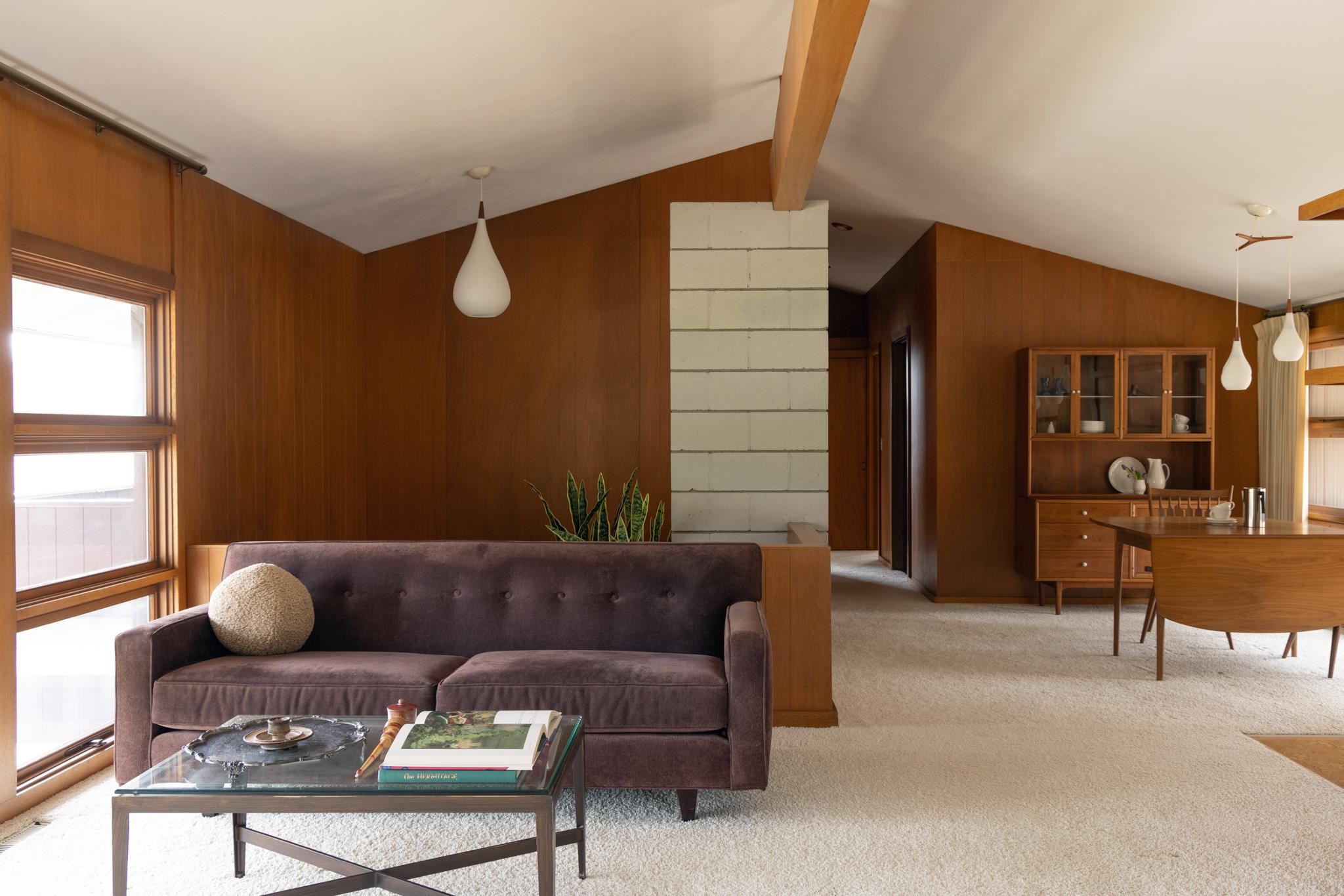
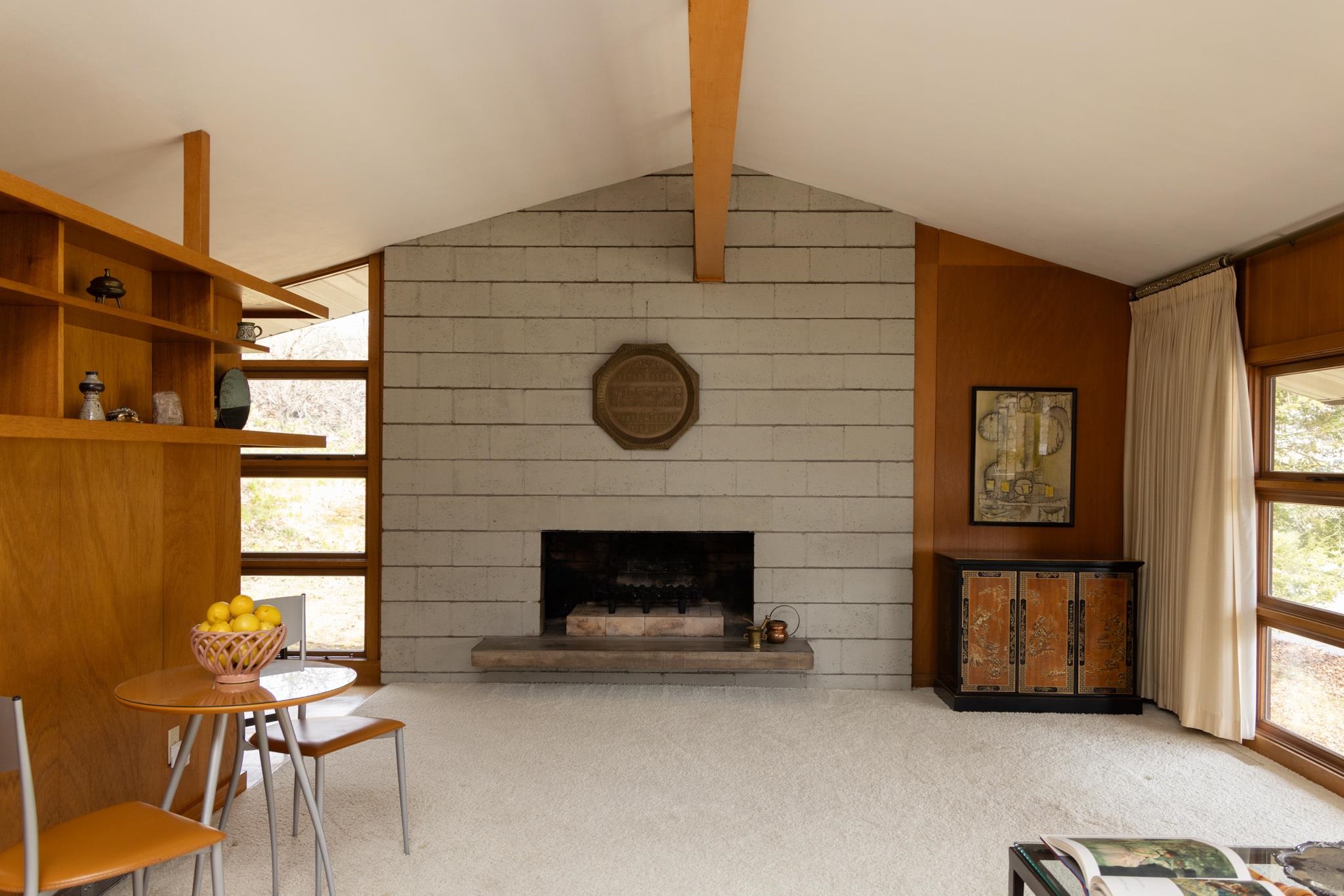
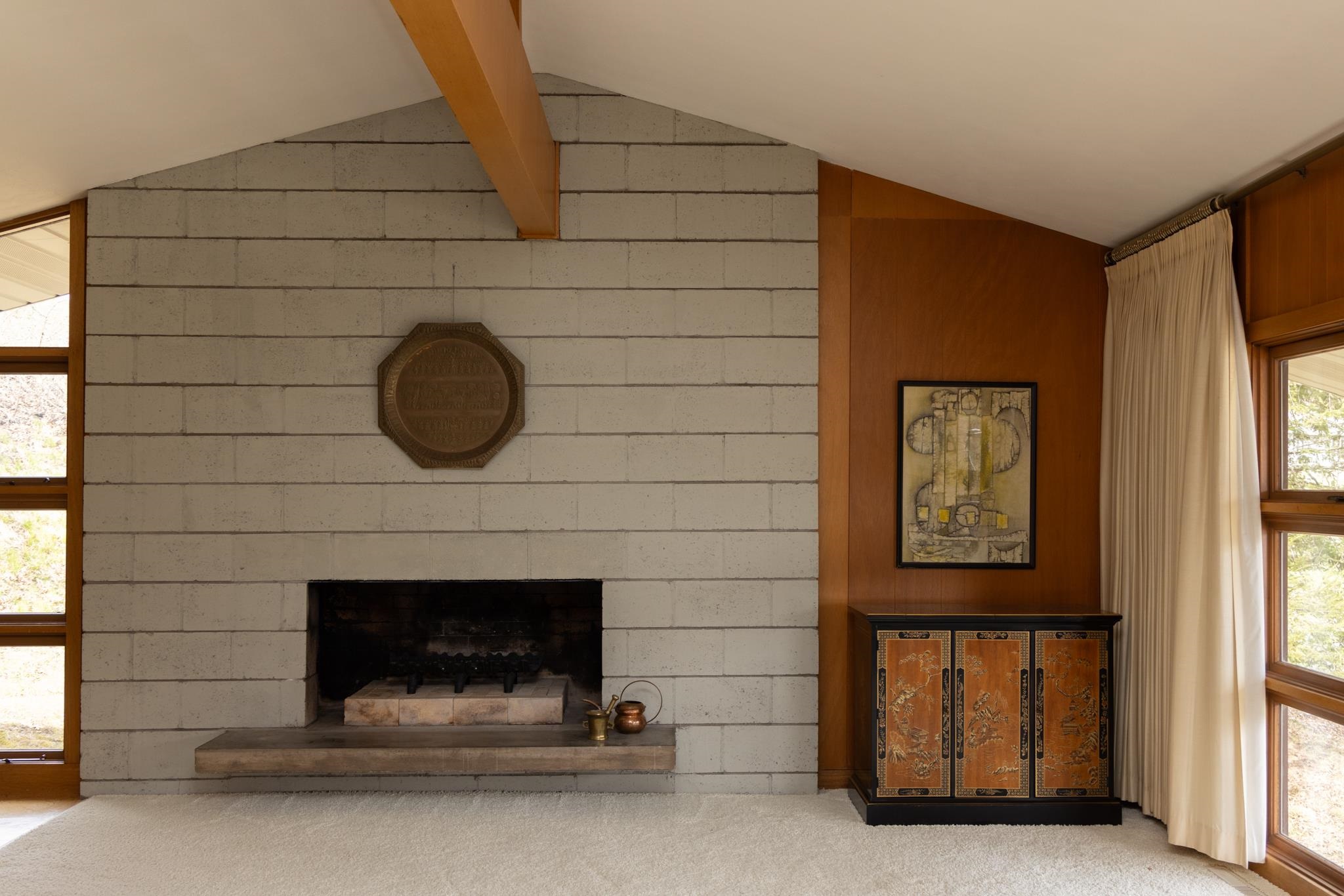
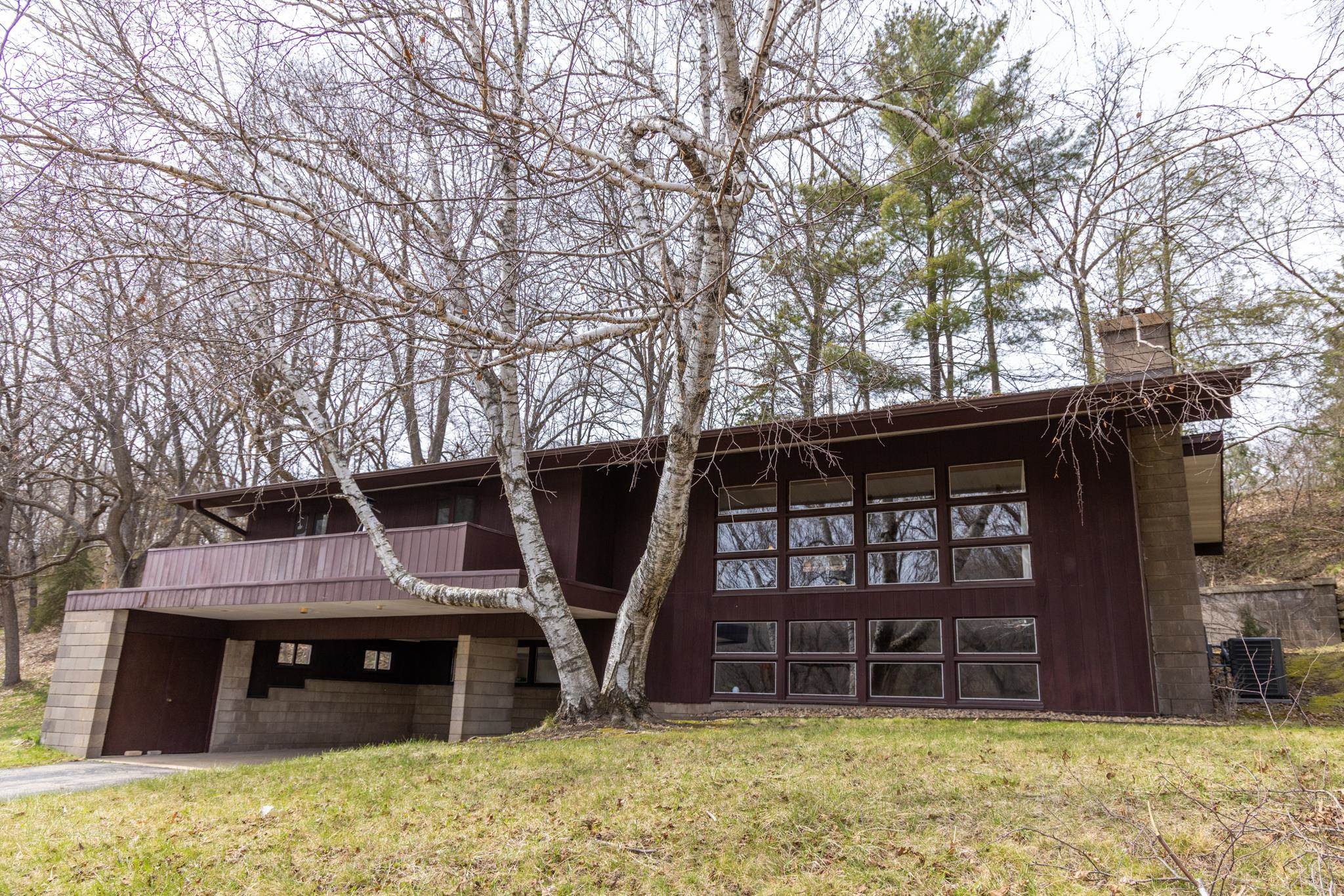
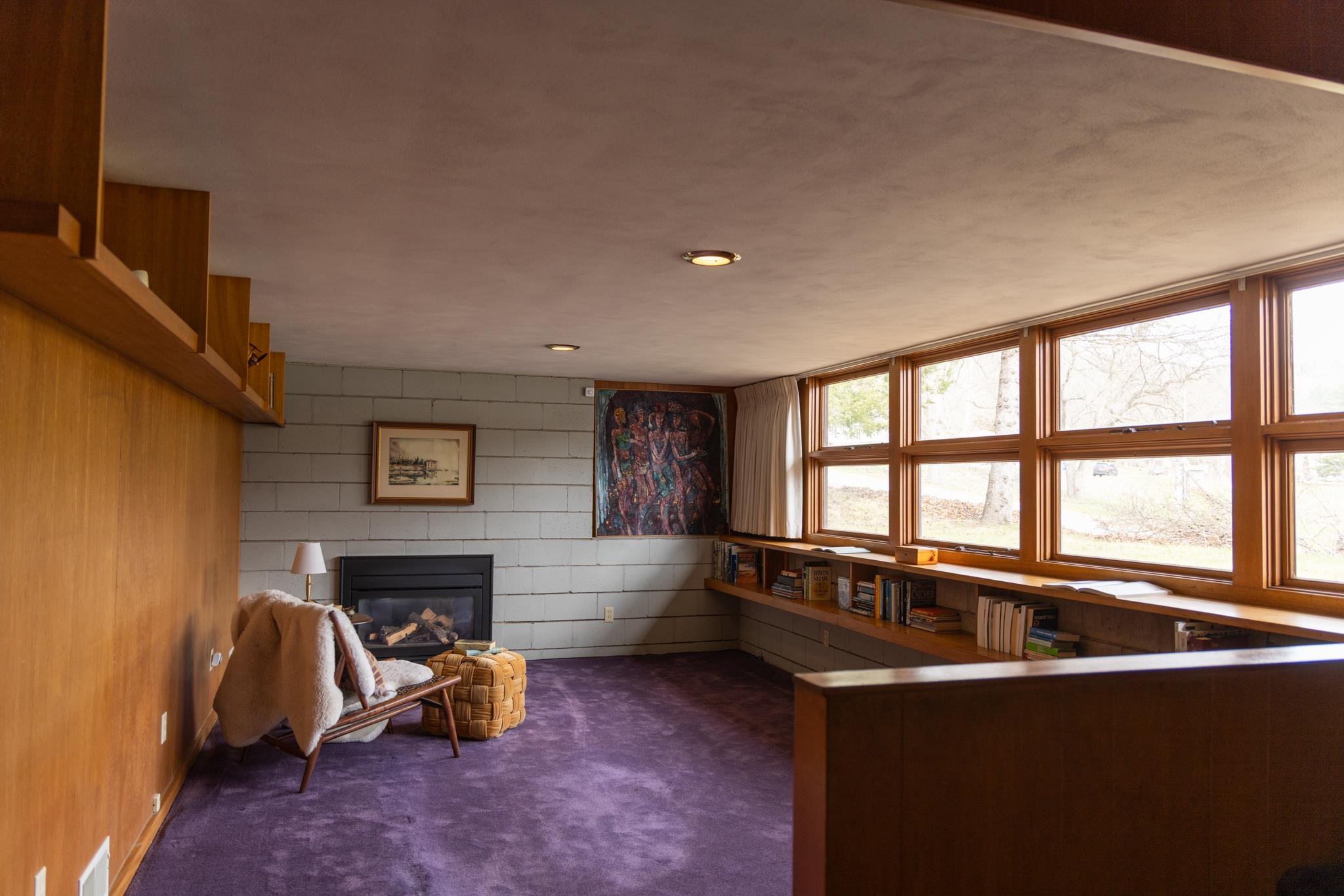
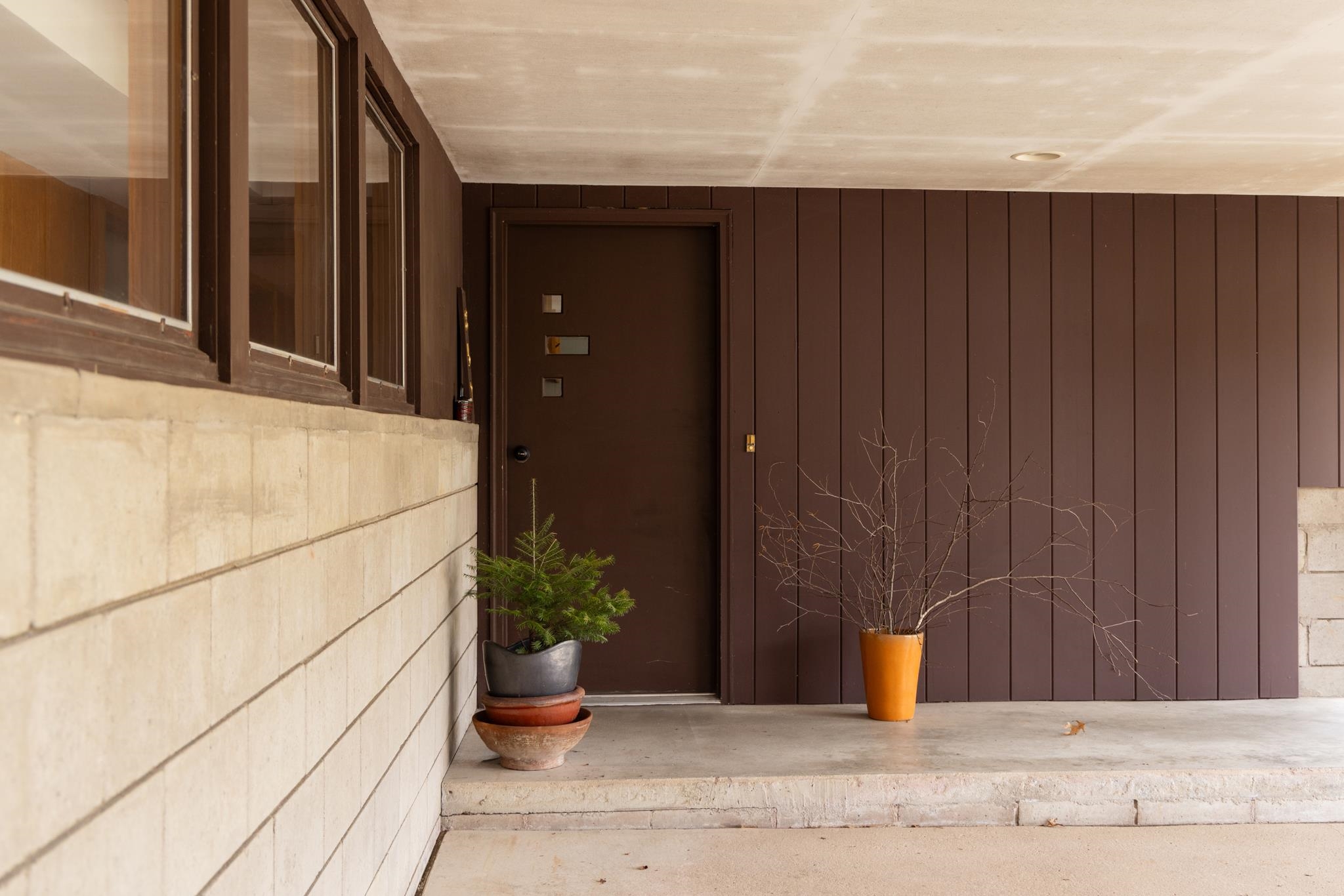
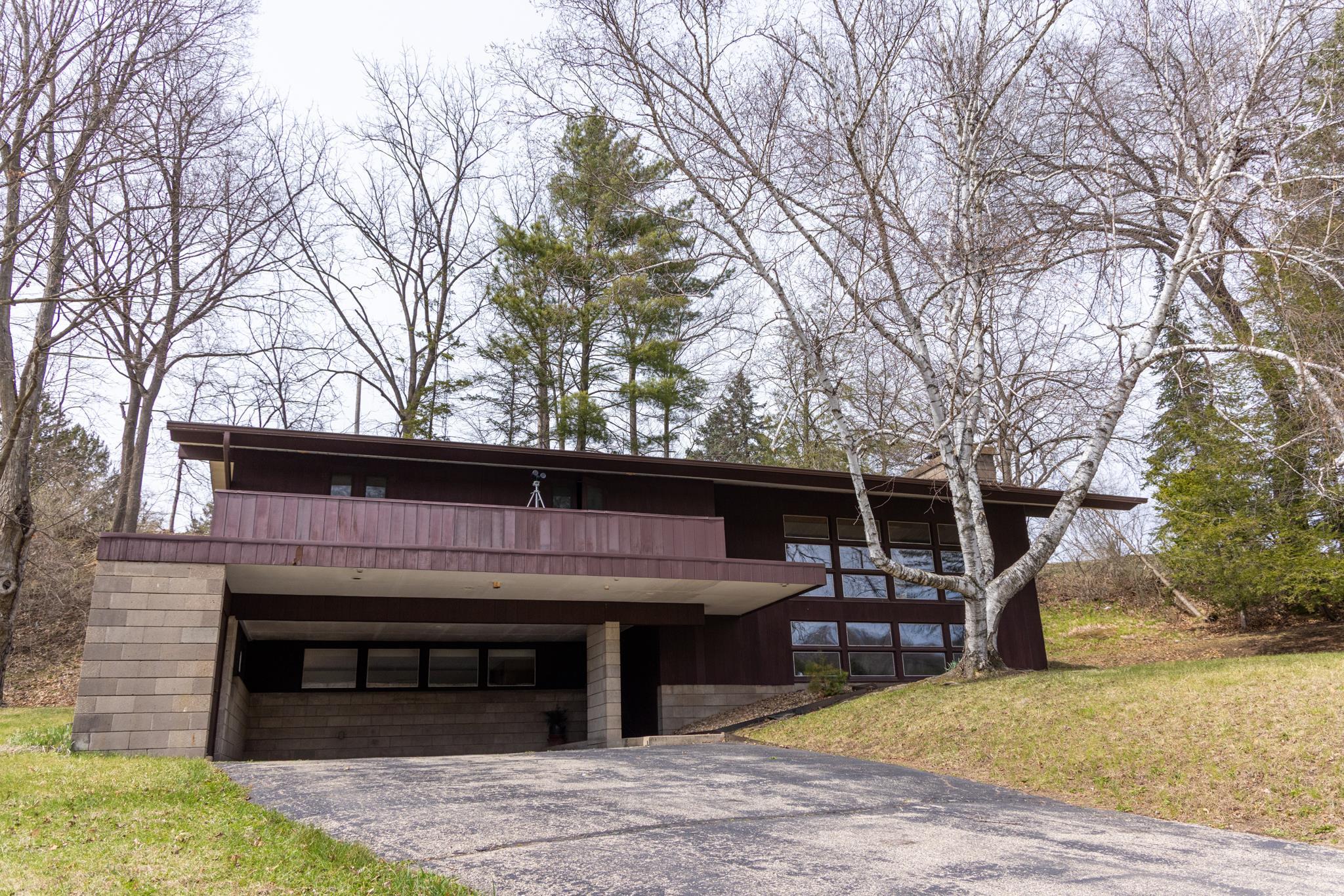
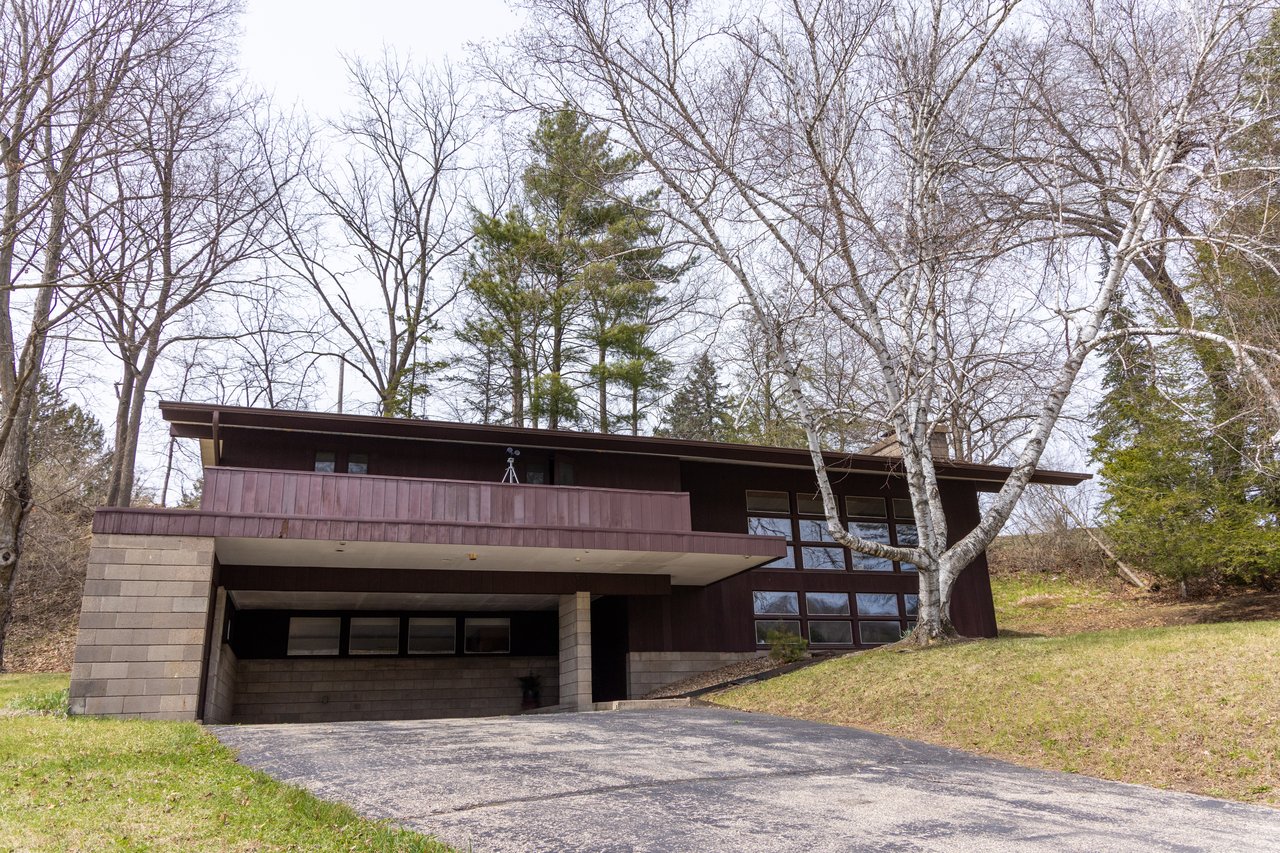
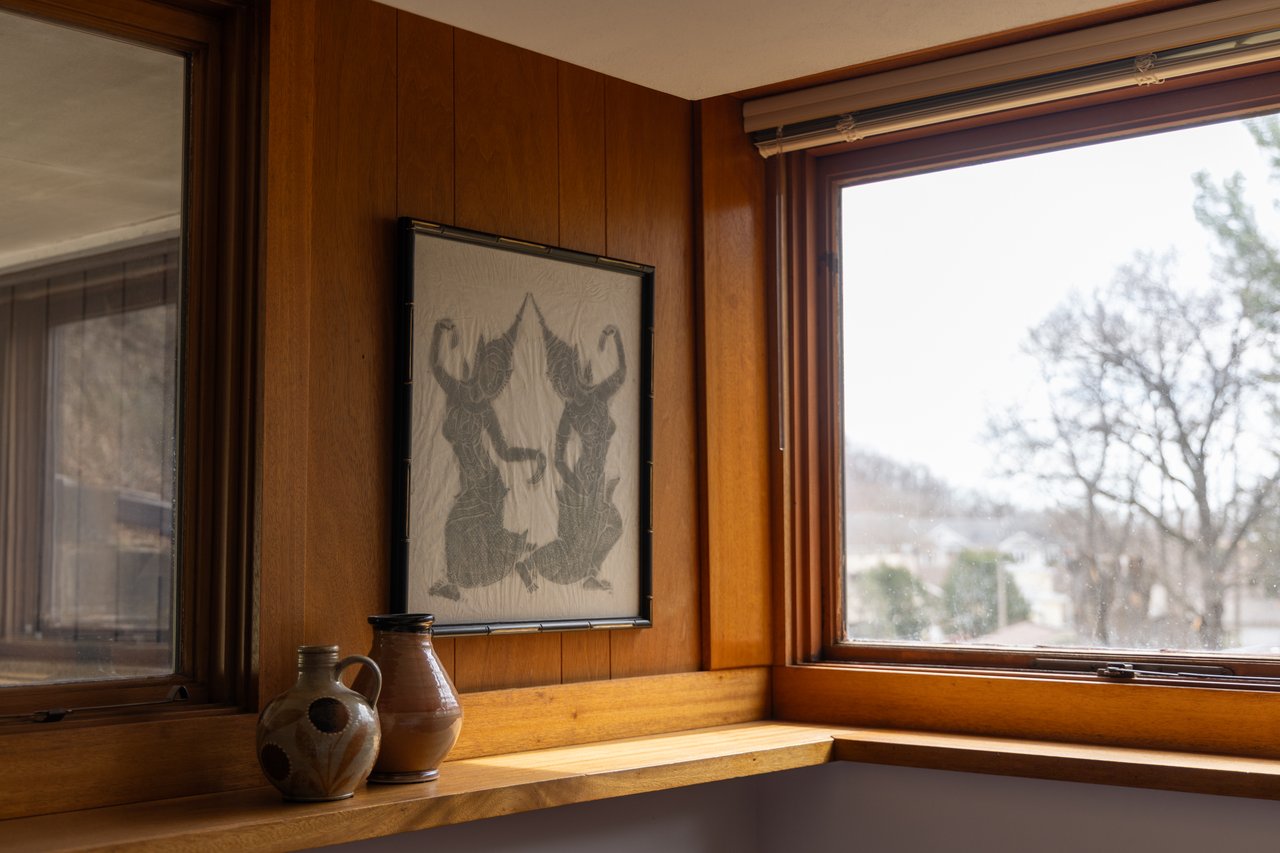
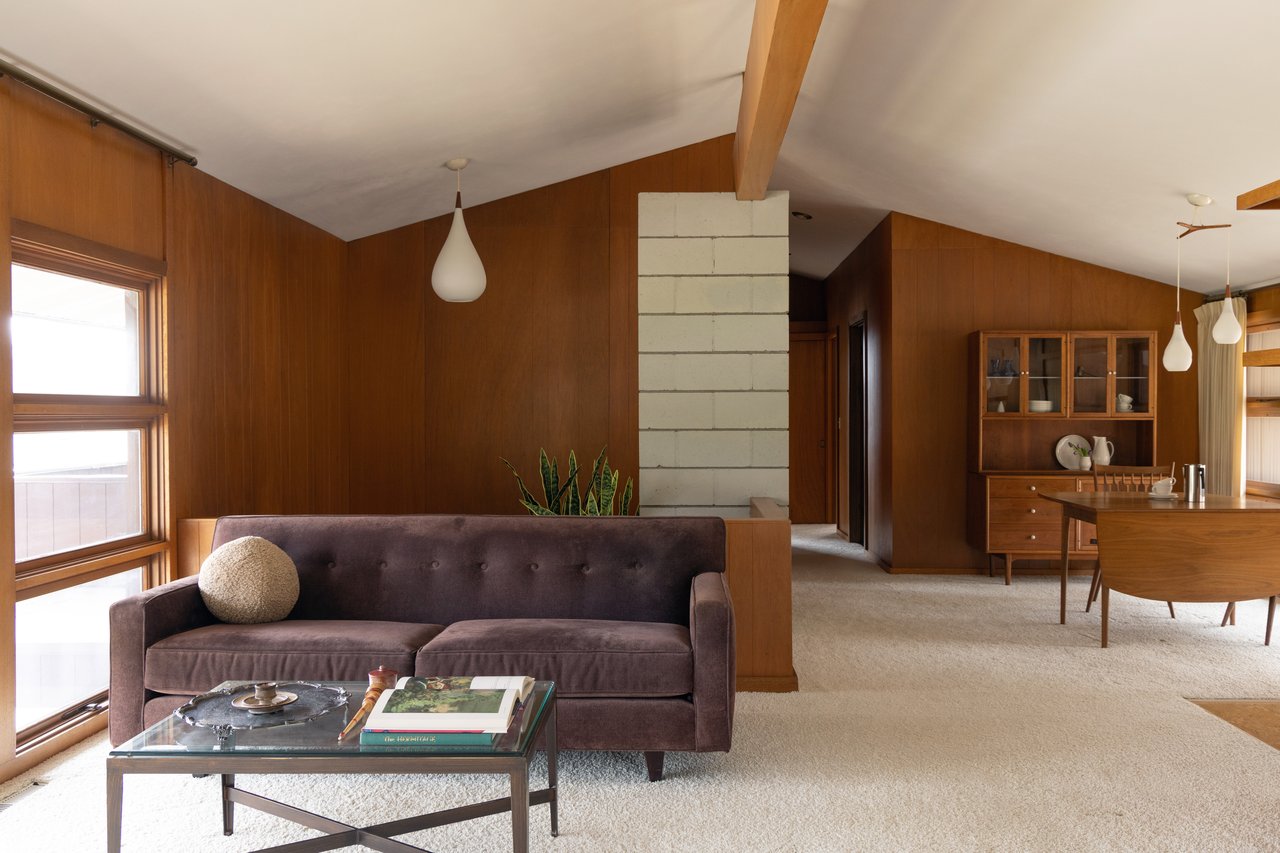
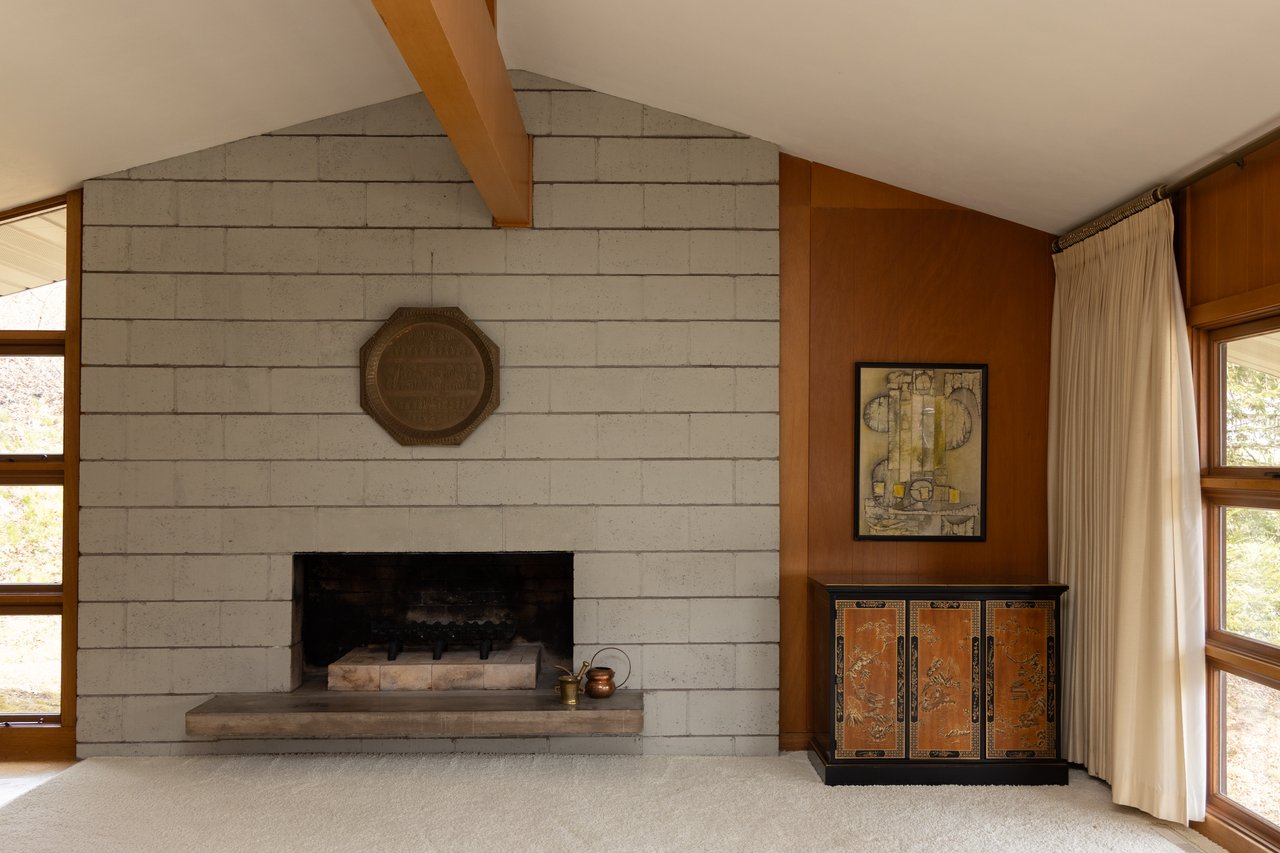
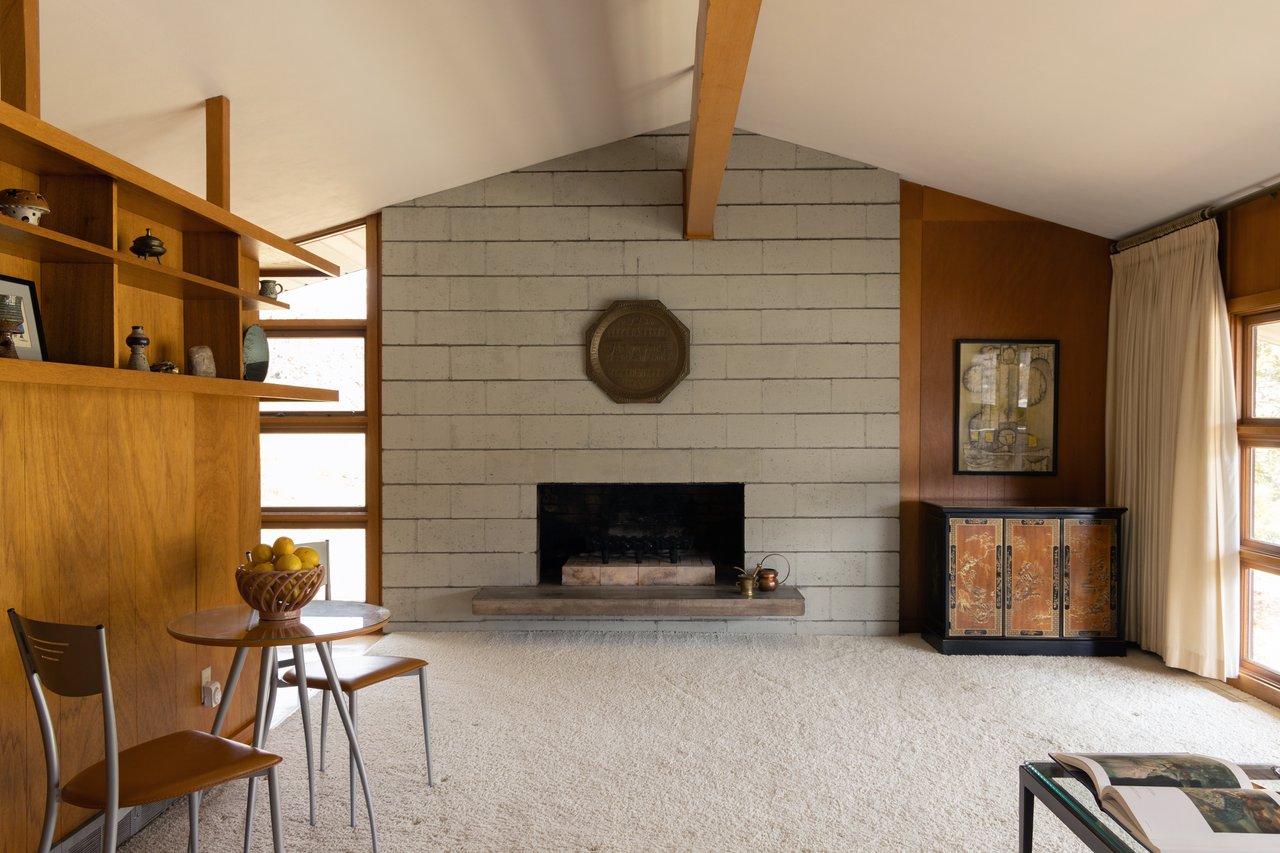
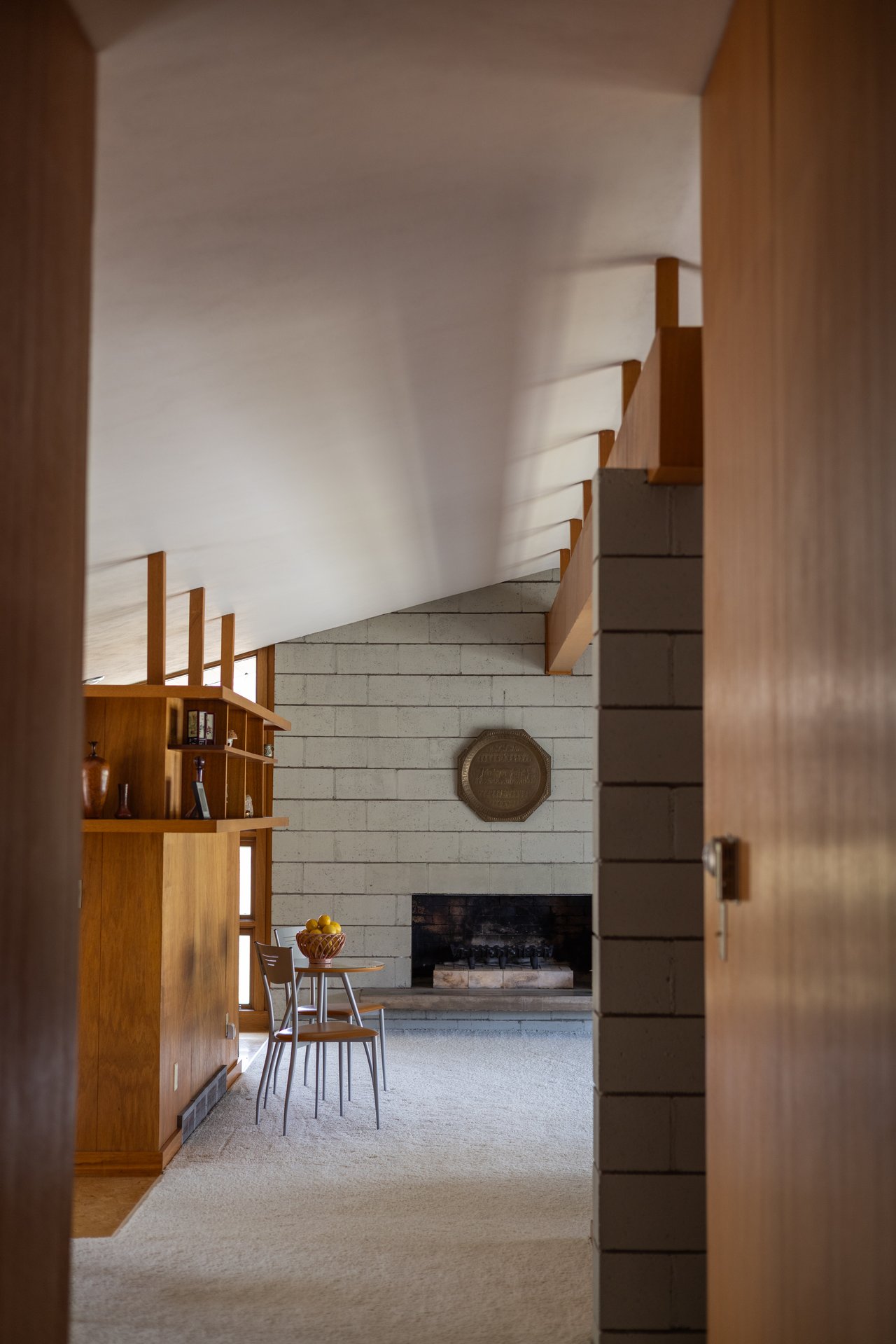
852 N. Cedar Street is a 1957 commission from Herbert Fritz Jr. — son of a Taliesin survivor, heir to a tradition that believed a house should belong to its land. The vaulted ceiling opens the living room far beyond its footprint. Warm wood paneling wraps every surface. A concrete block chimney rises through the center of it all. Band windows face east across a panoramic hillside view that feels, from inside, like it was always part of the plan.
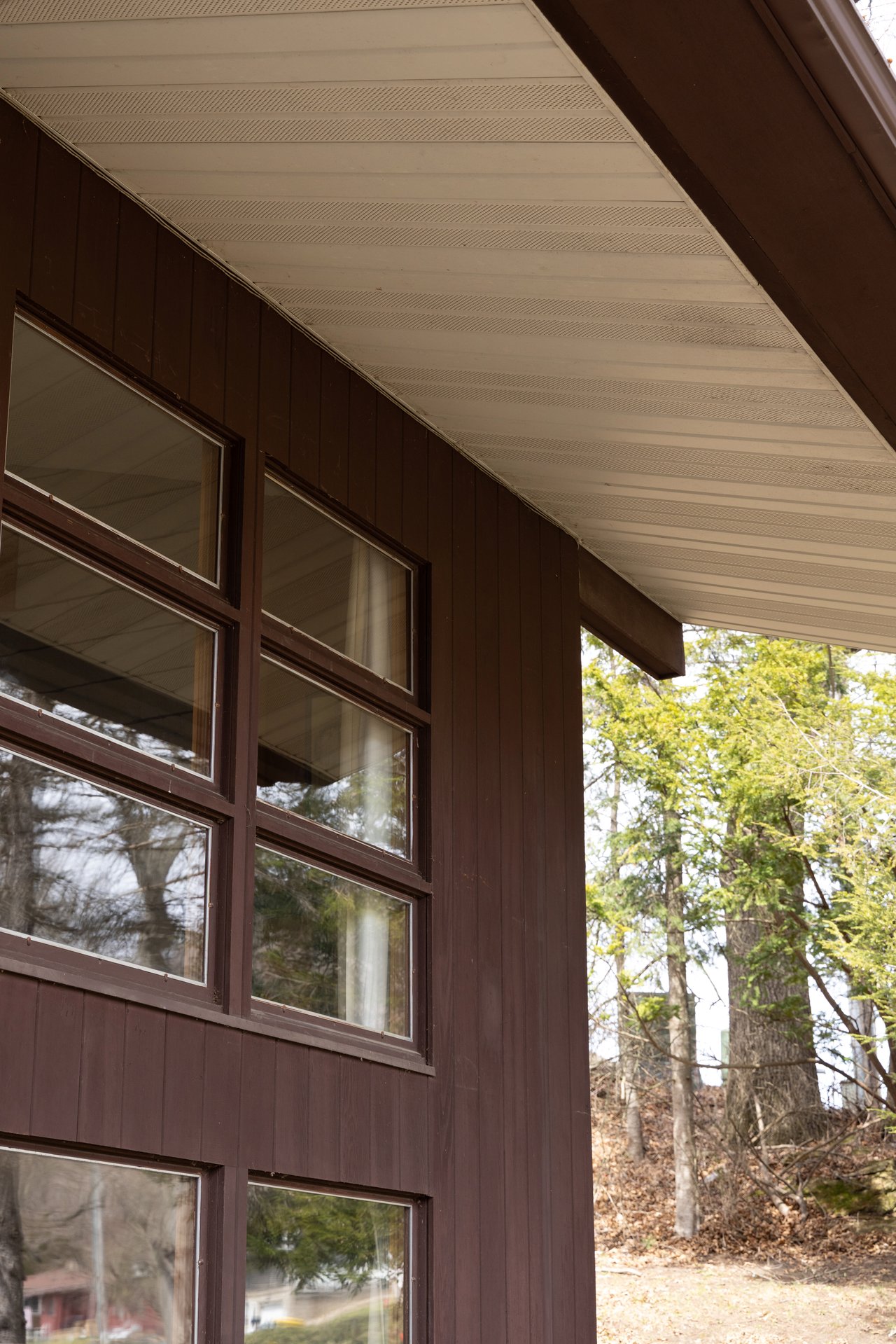
Carl Meadows had an appointment at Taliesin — Frank Lloyd Wright turned him away, and Fritz Jr. took the commission instead. Offered for the first time in a generation, for the buyer who knows what Taliesin means.
Currently offered at $379,900
Designed for the Hillside
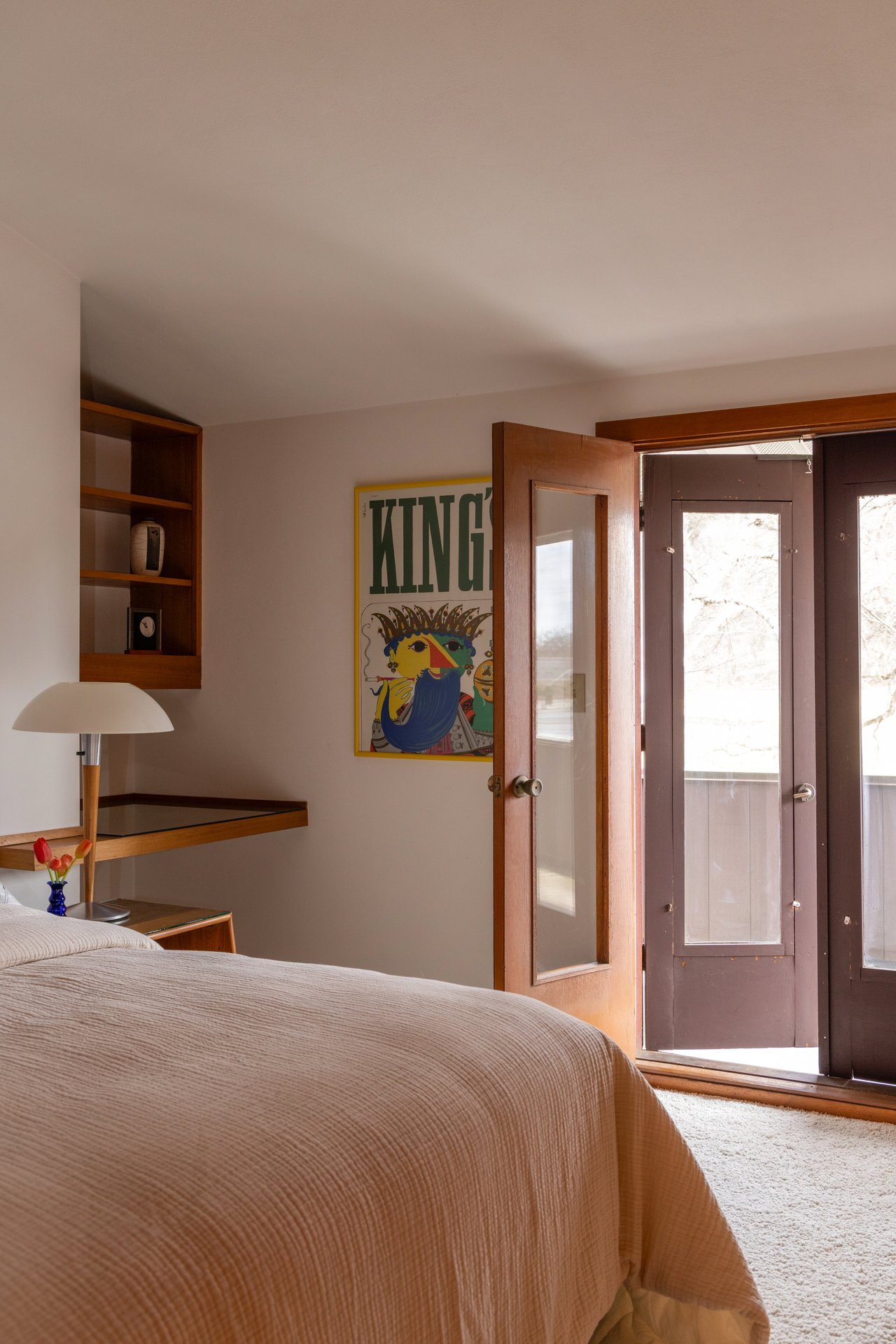
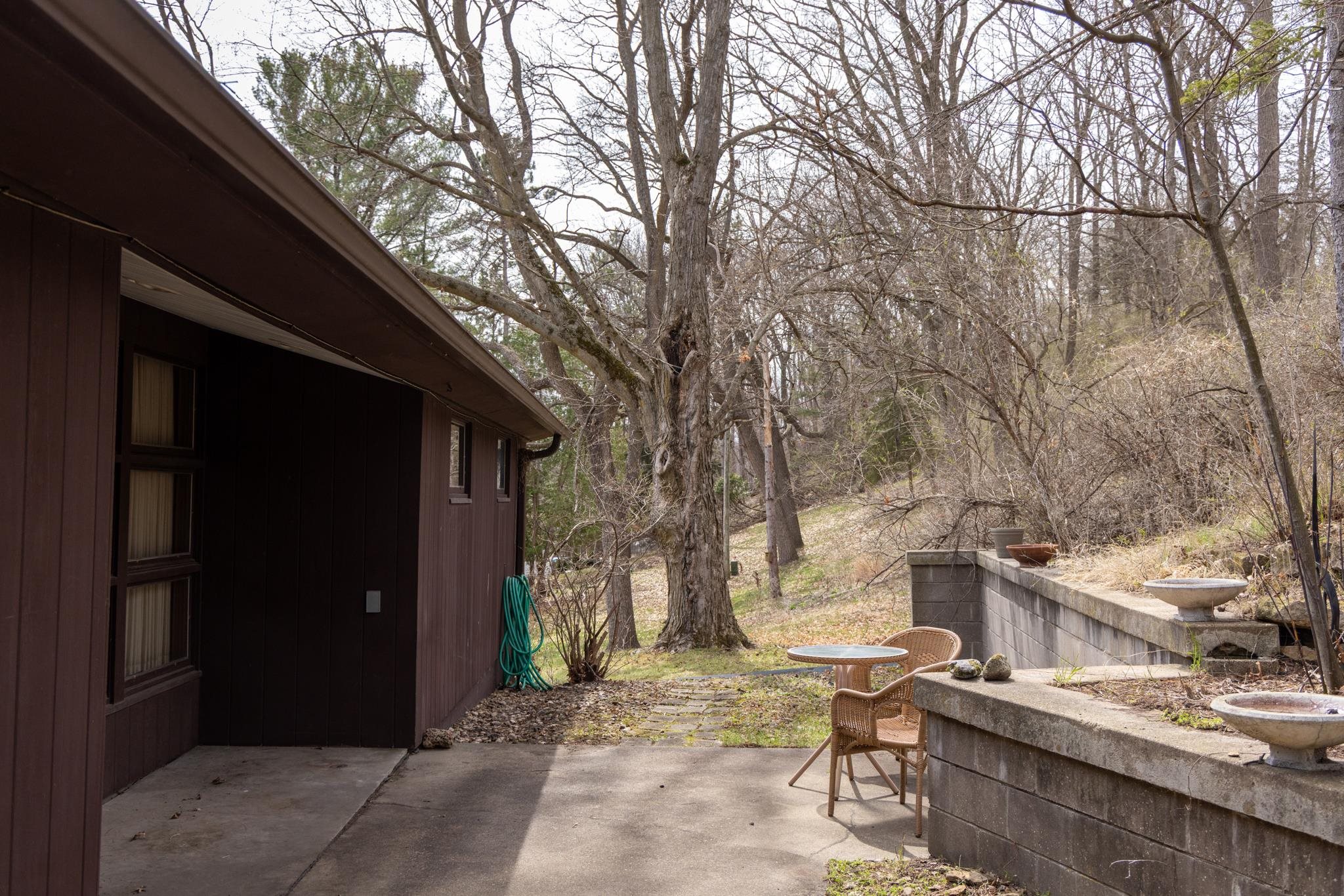
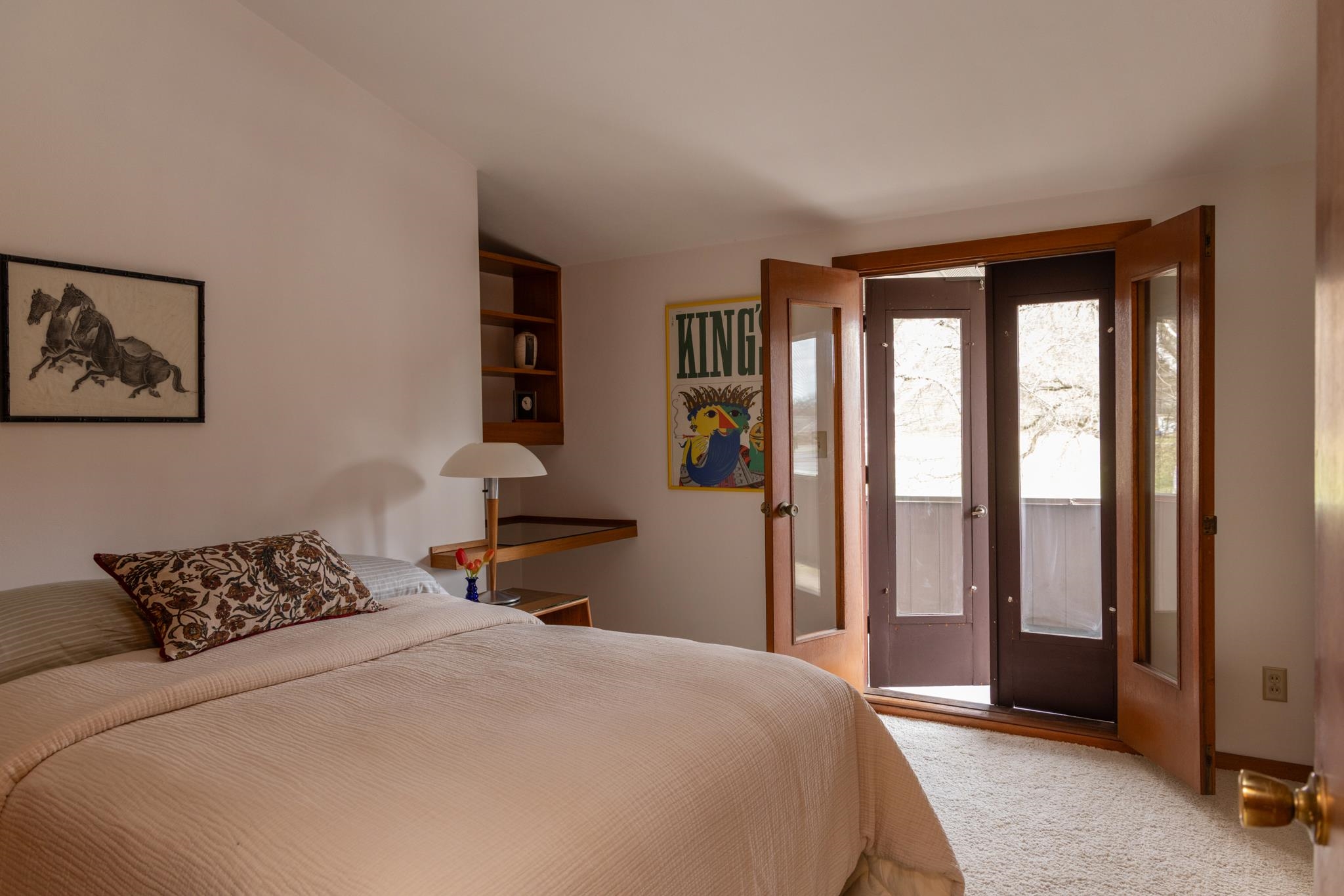
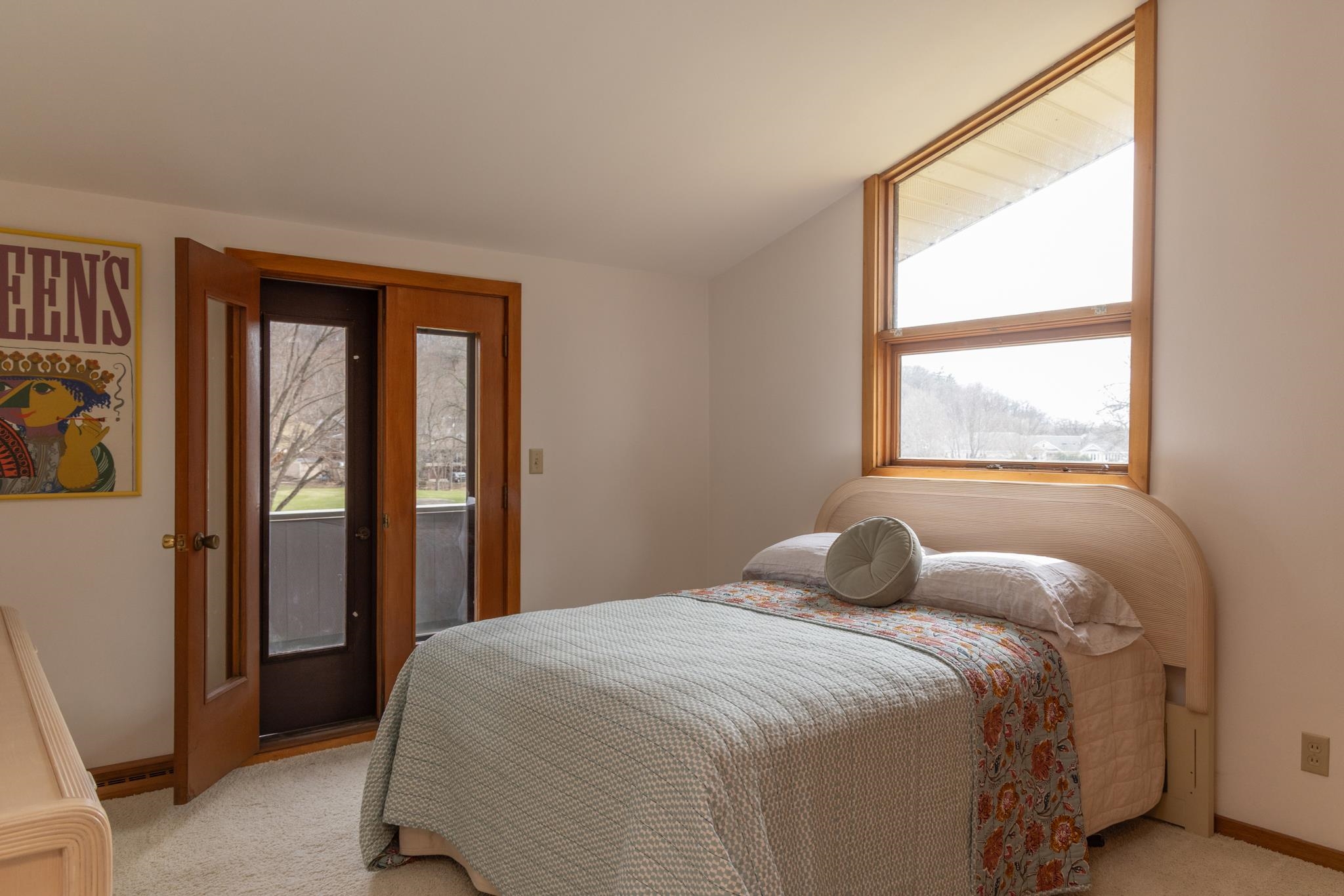
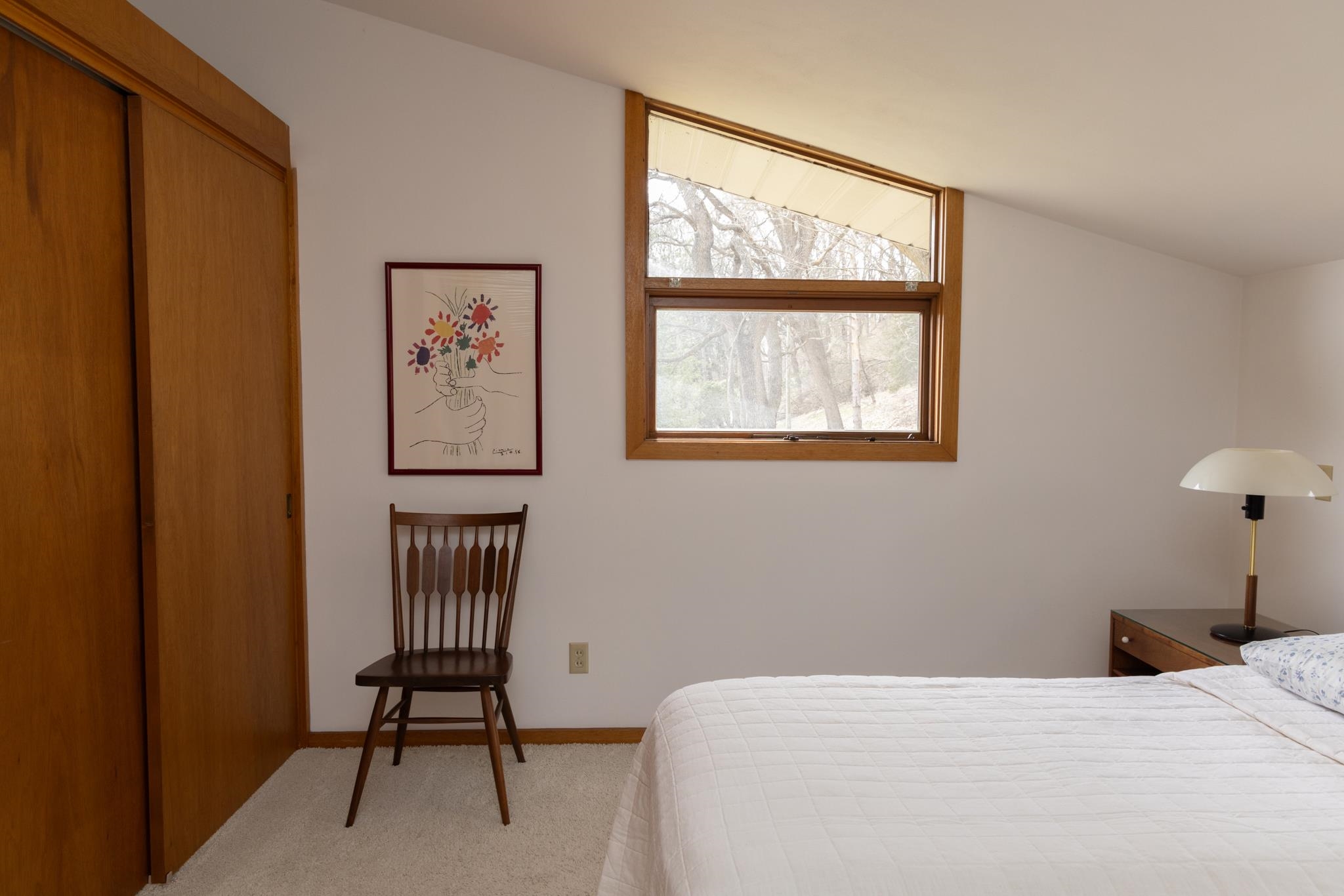
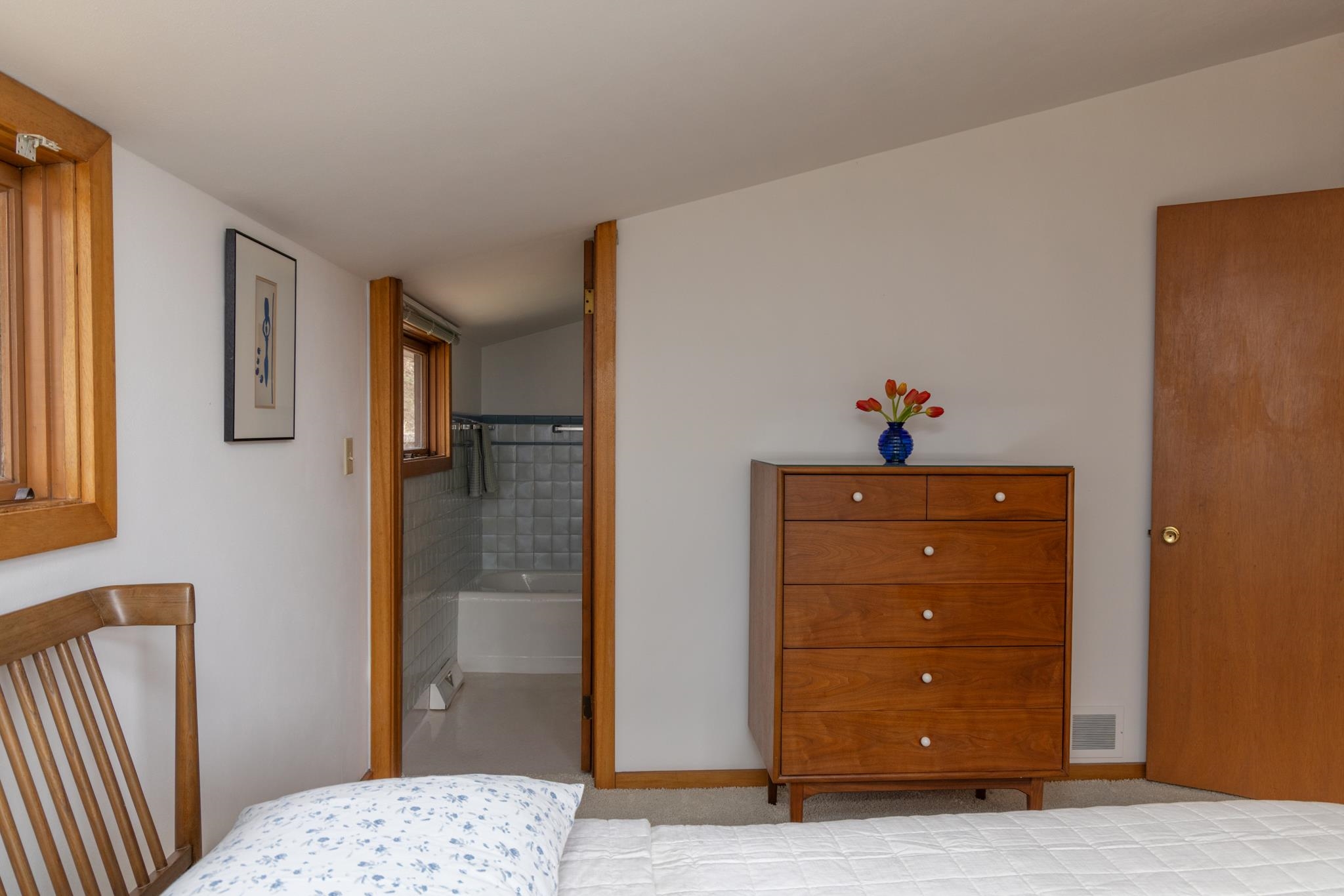
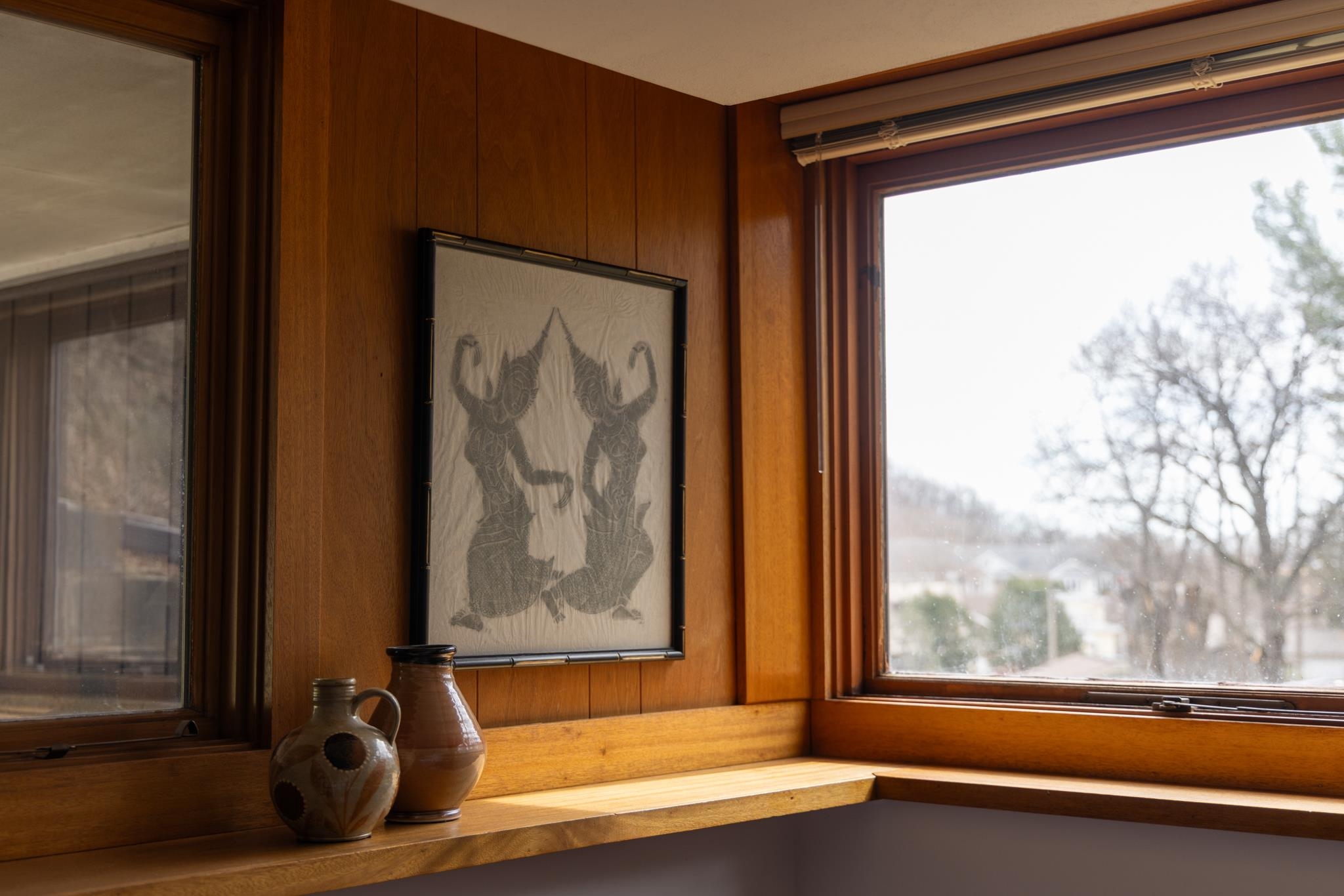
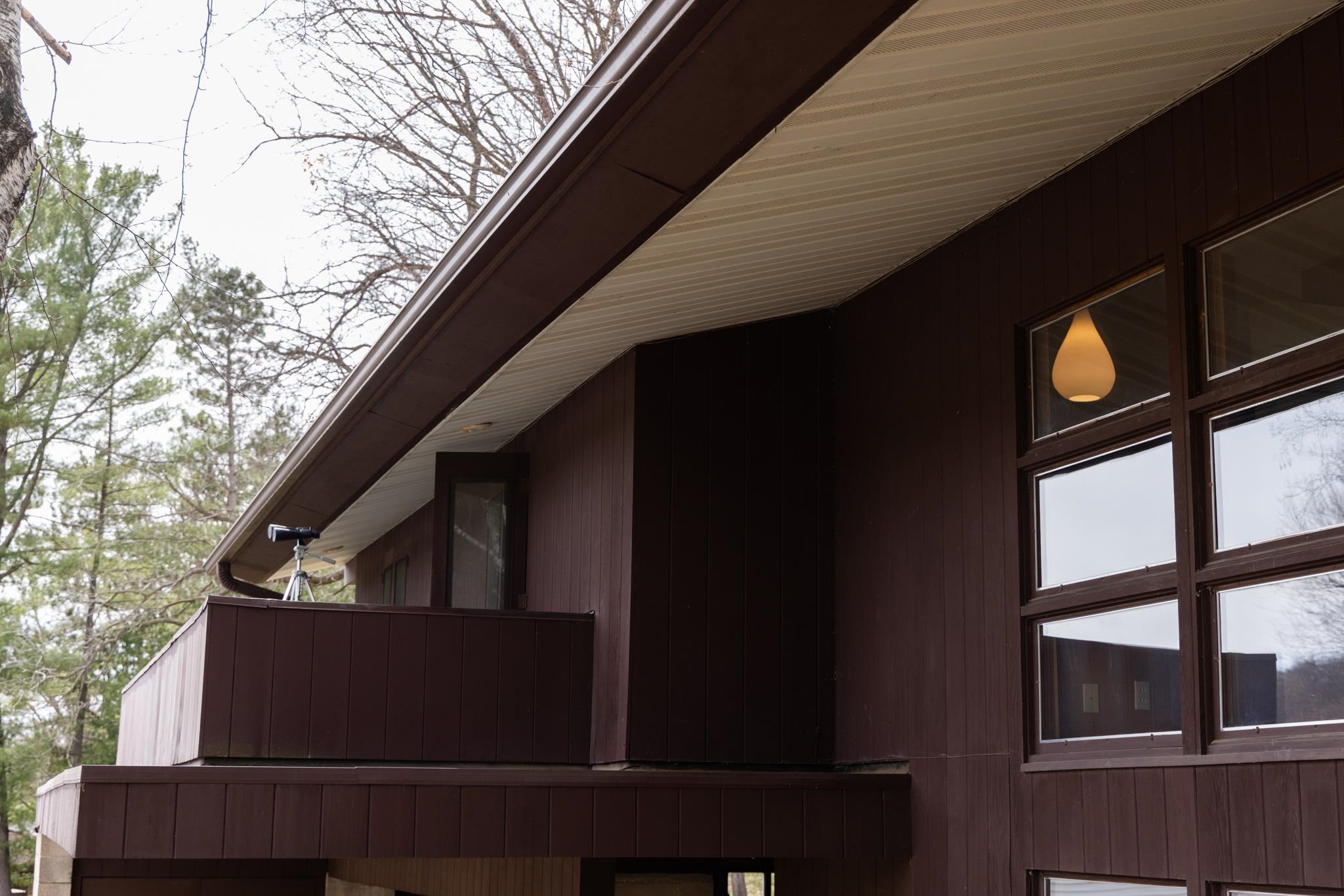
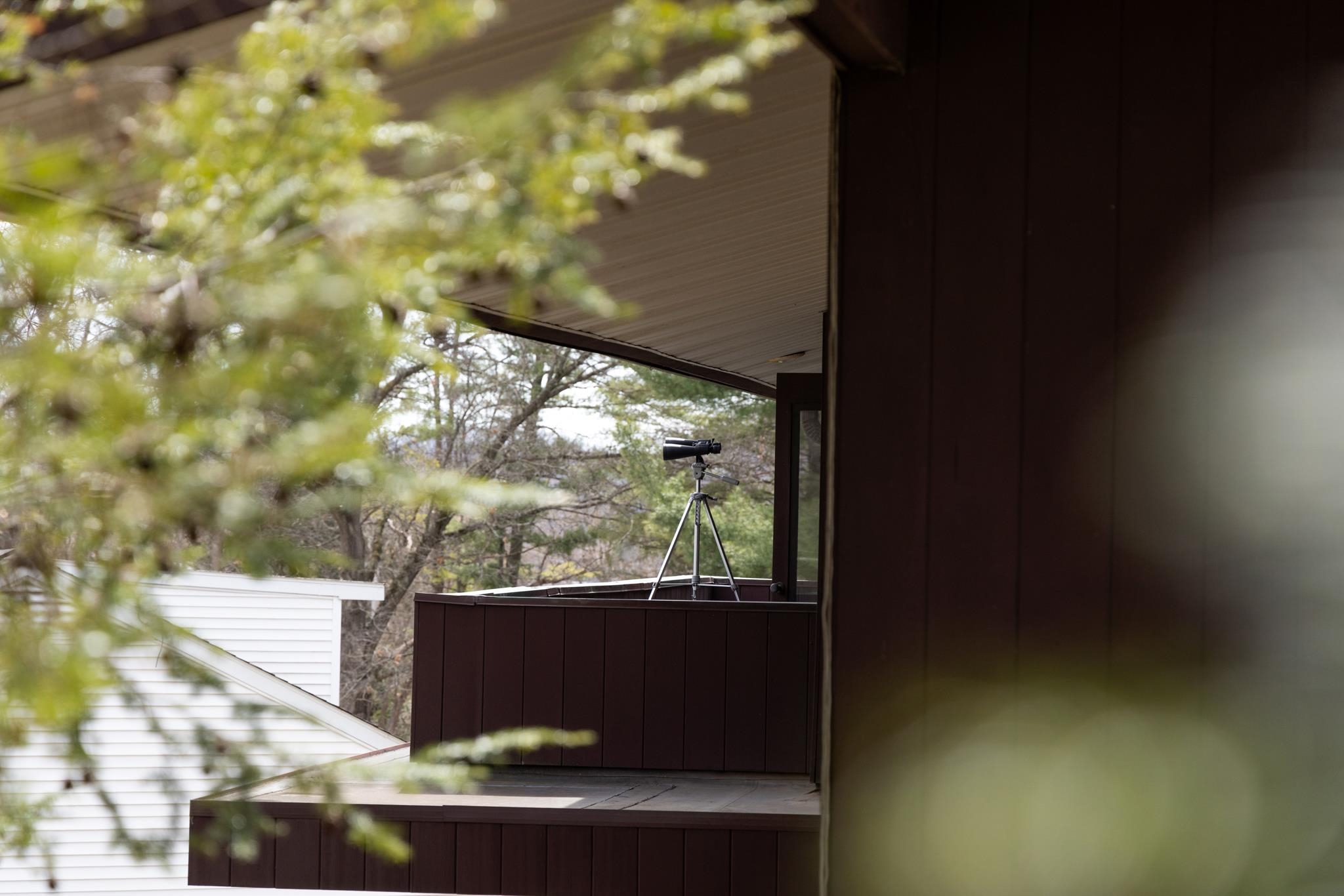
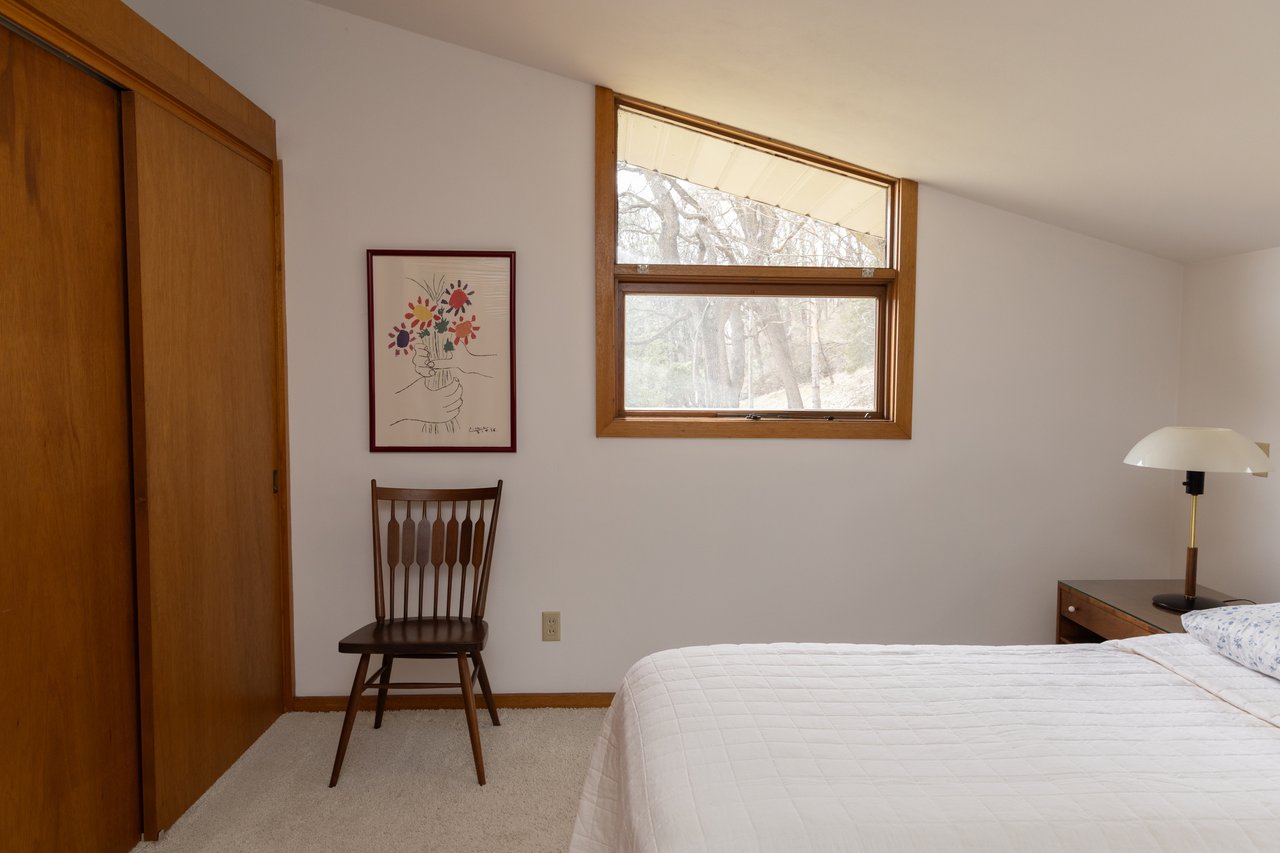
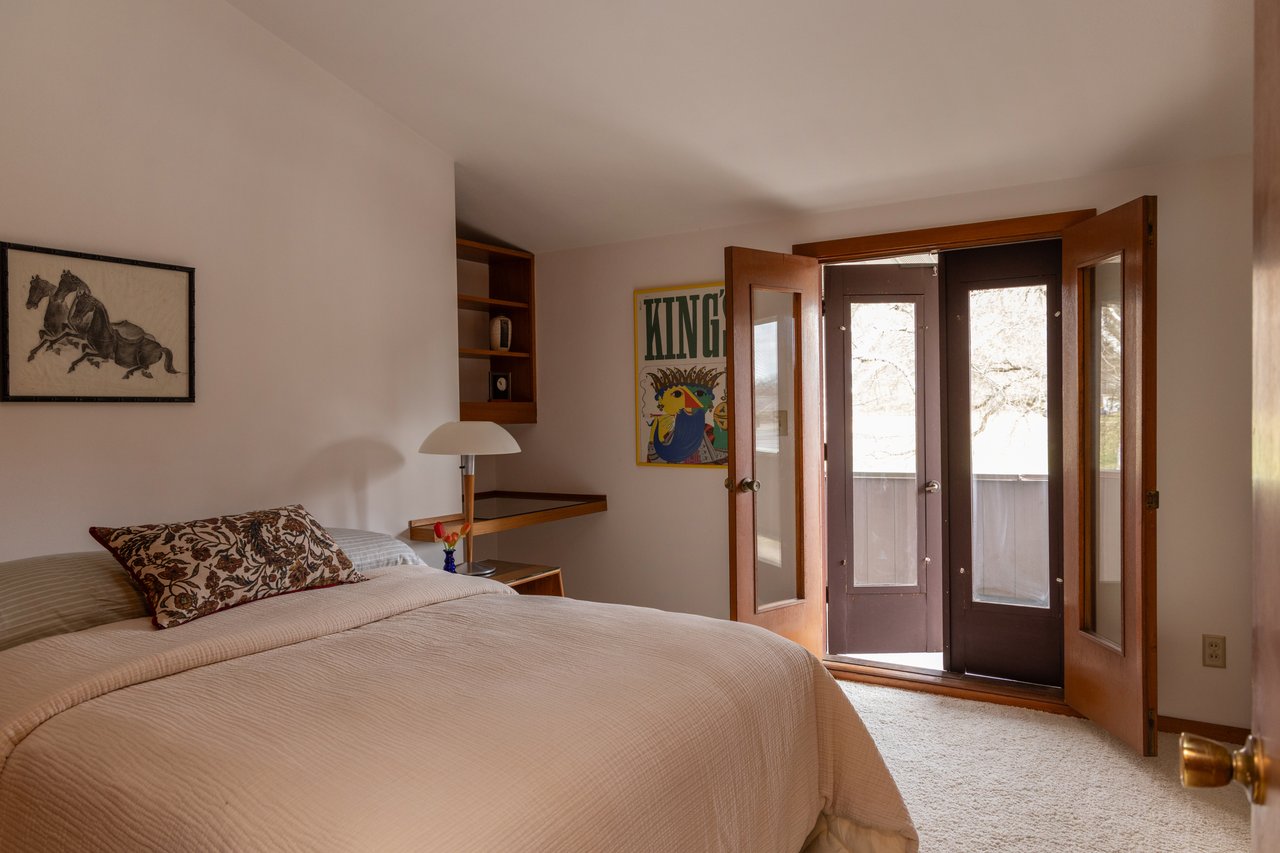
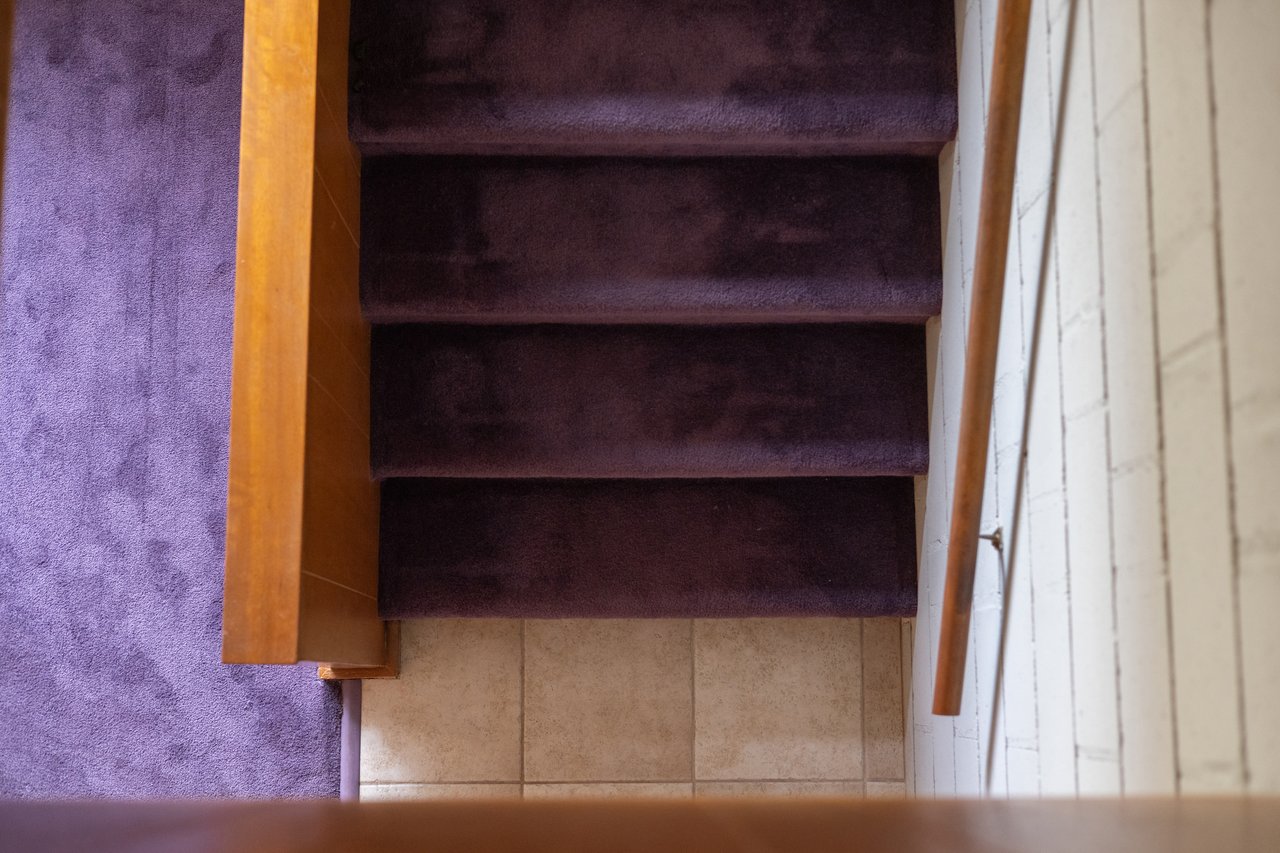
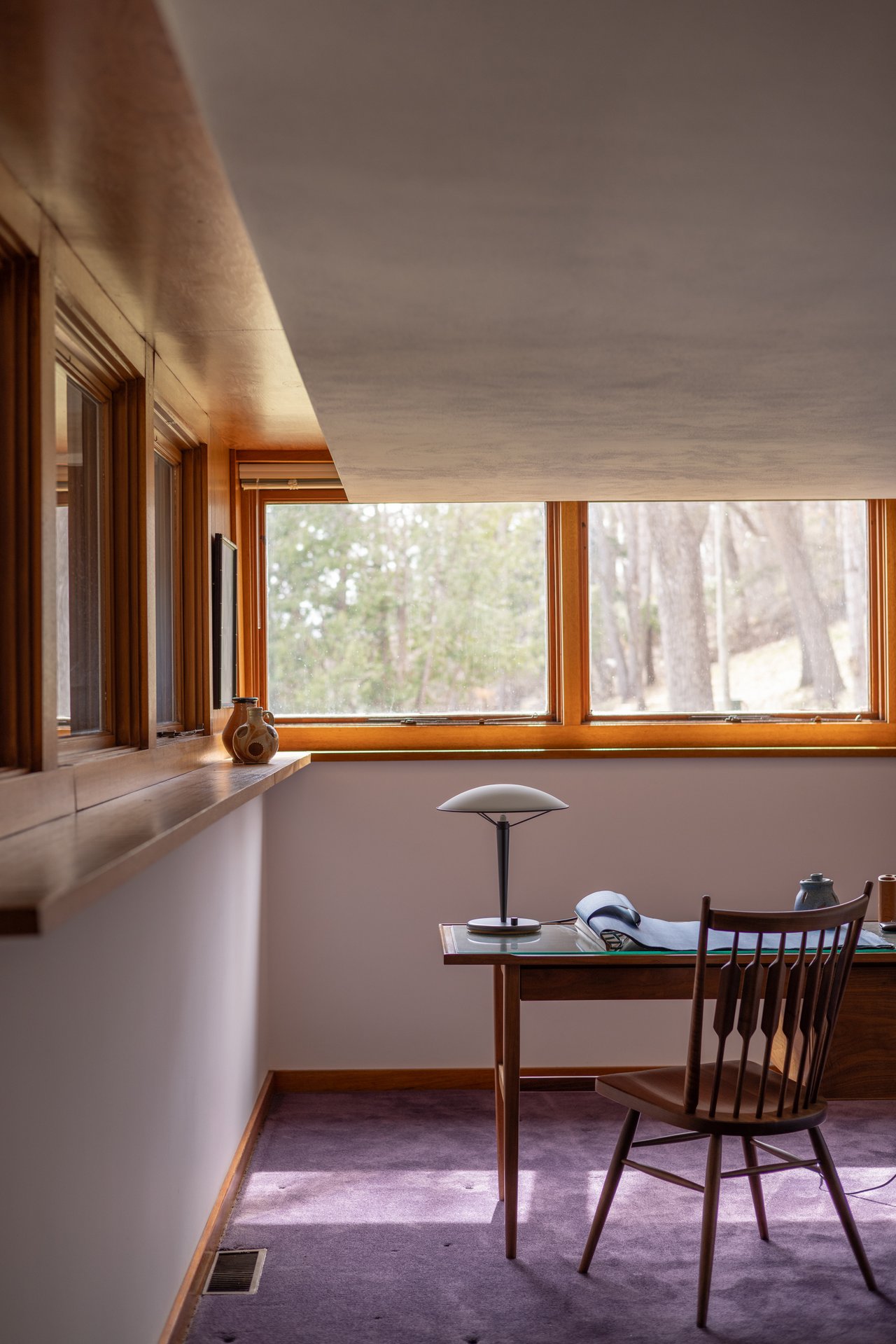
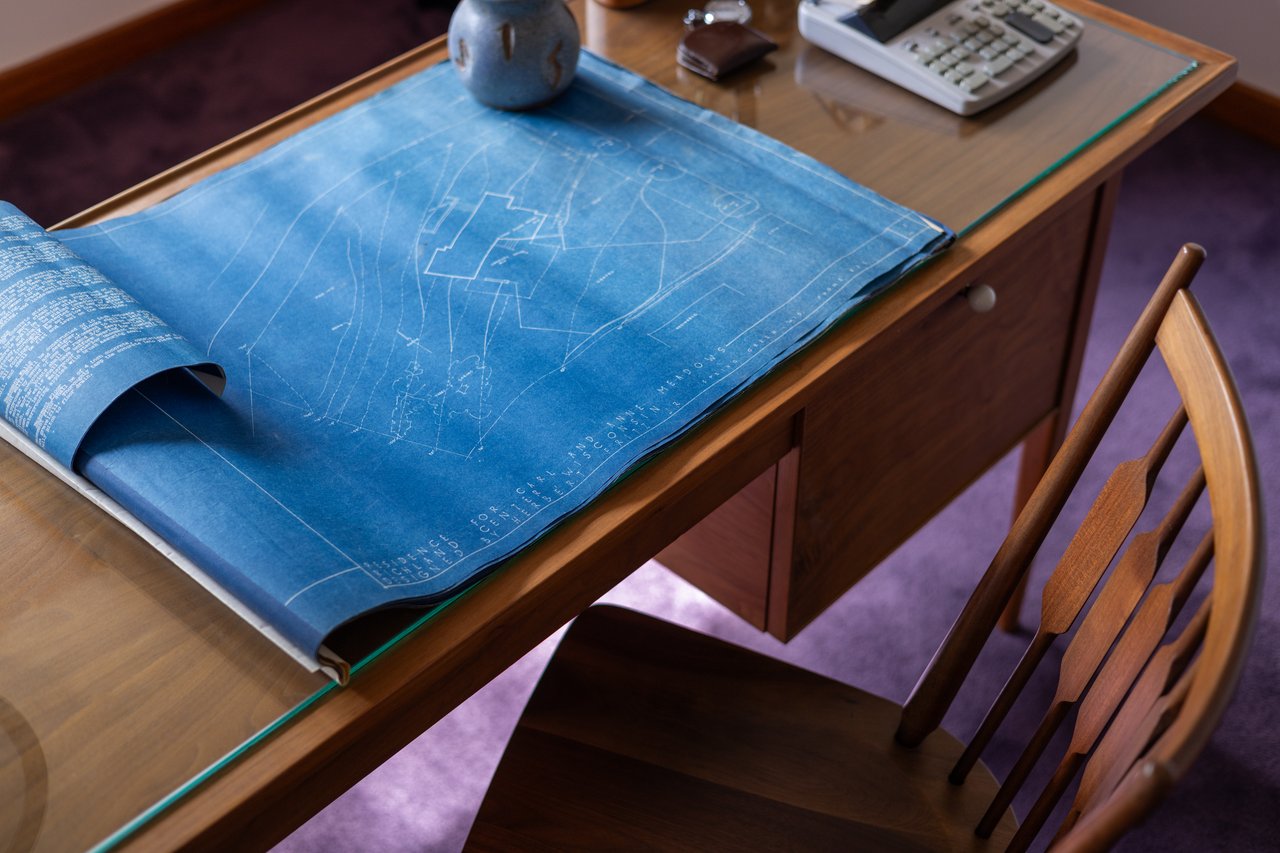
Fritz Jr. was taught that a building should grow from its site the way a tree does — not placed on the land but belonging to it. At 852 N. Cedar Street, the hillside isn't a backdrop. It is the design. The cantilever pushes the bedroom wing out over the slope. The band windows align with the eastern horizon. The vaulted ceiling rises toward the ridge of the roof and takes the room with it. Stand anywhere inside and the land is present — not as a view, but as a participant.
The neighborhood is unhurried. The park and tree line to the east have barely changed since Fritz Jr. positioned these windows to face them.
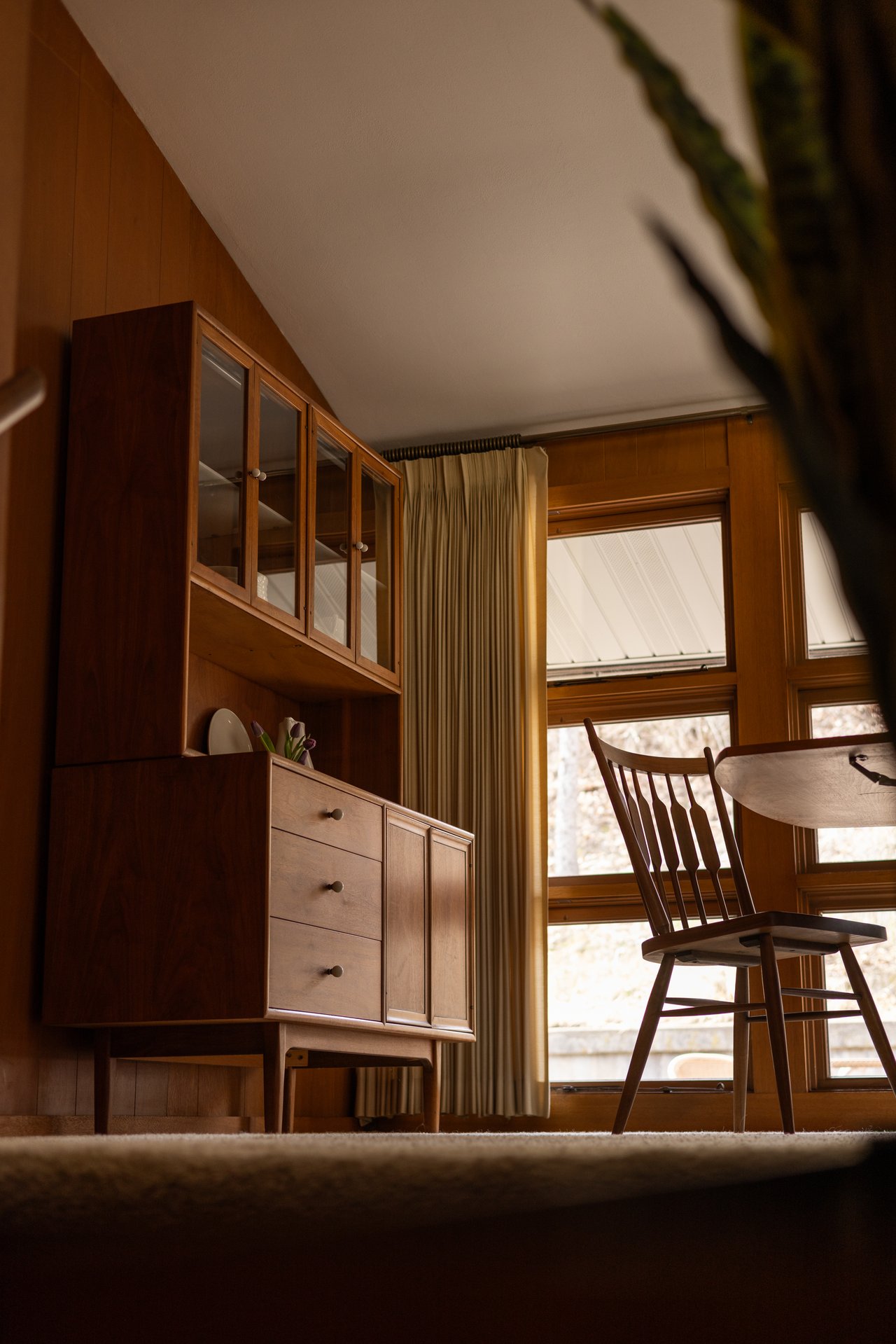
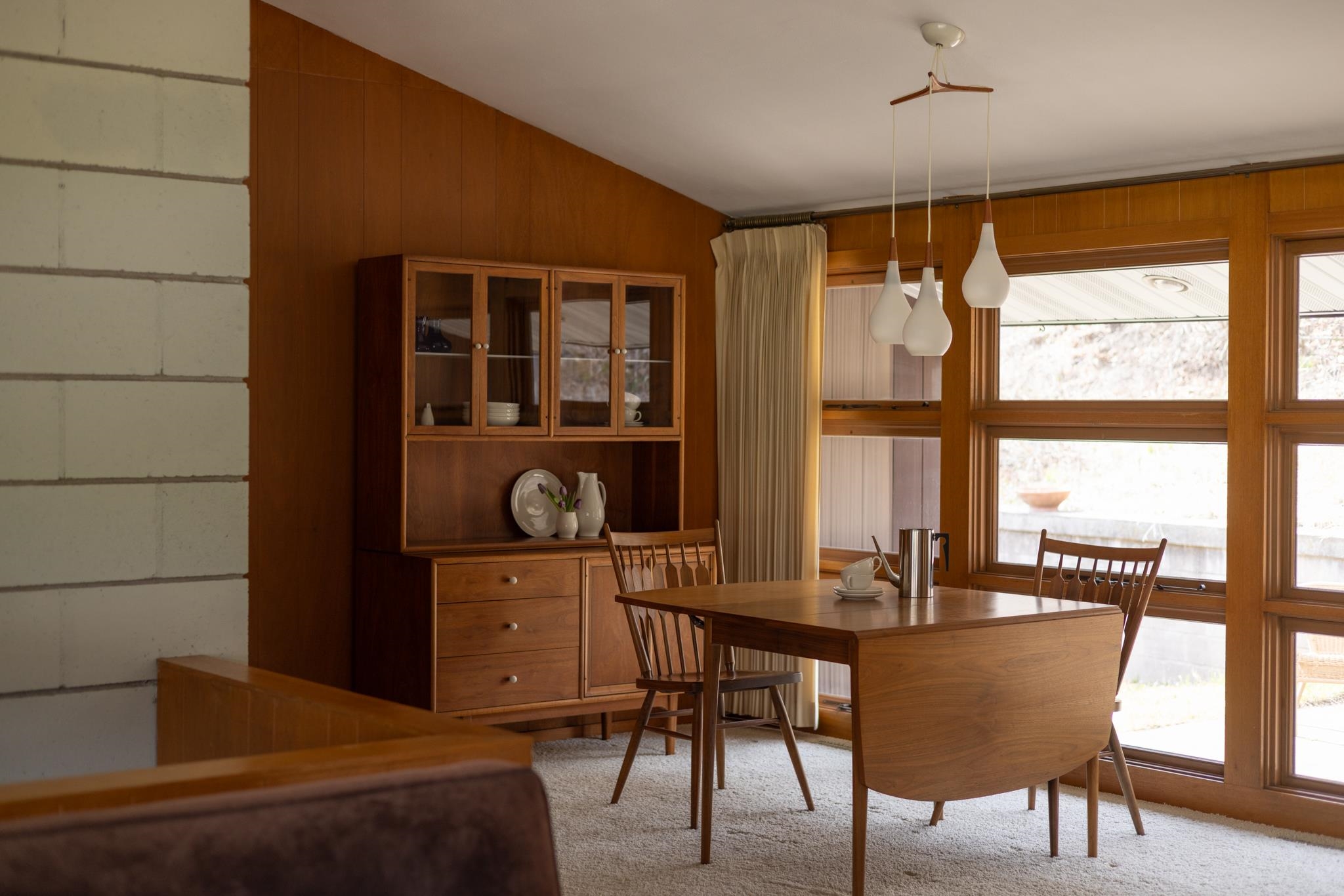
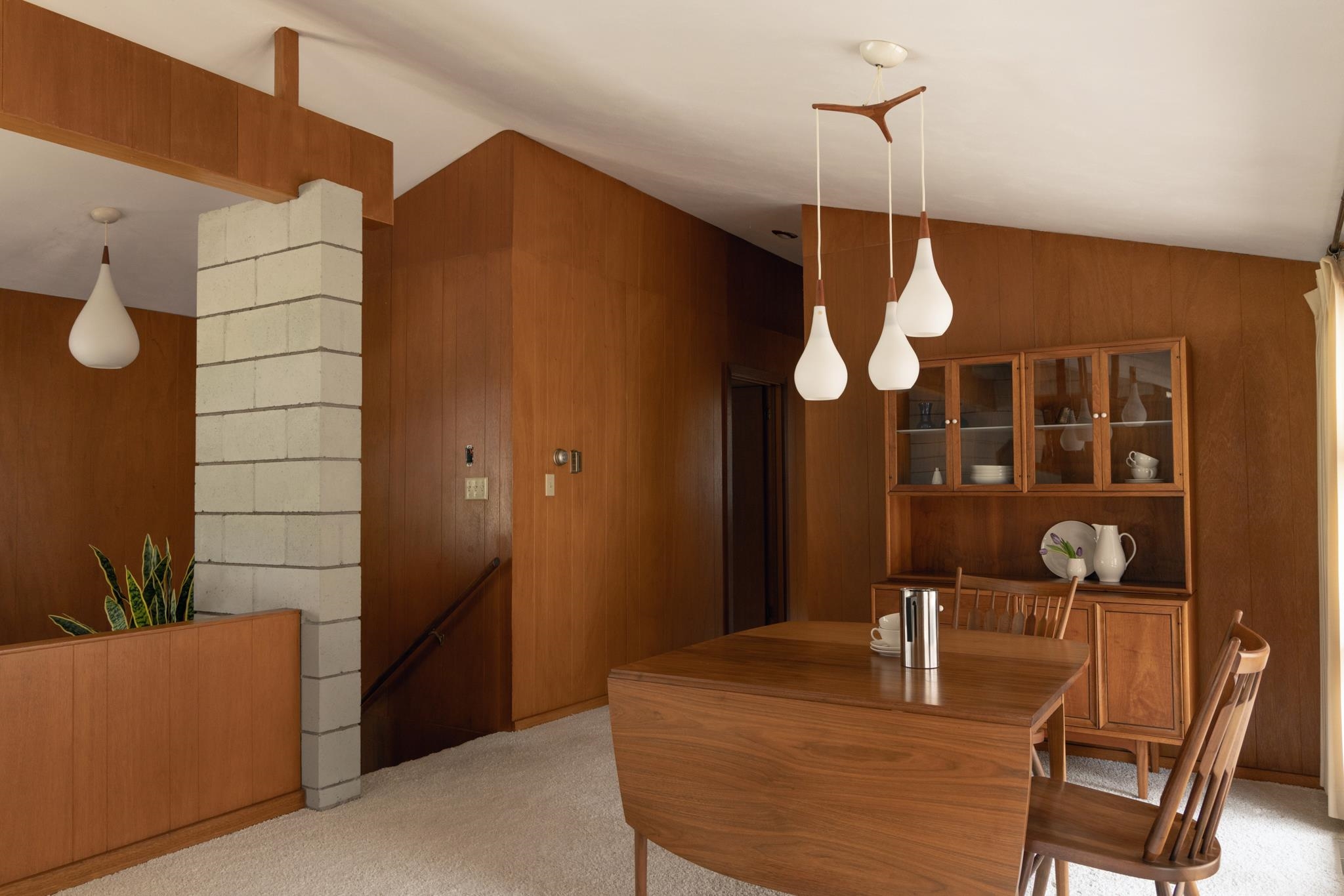
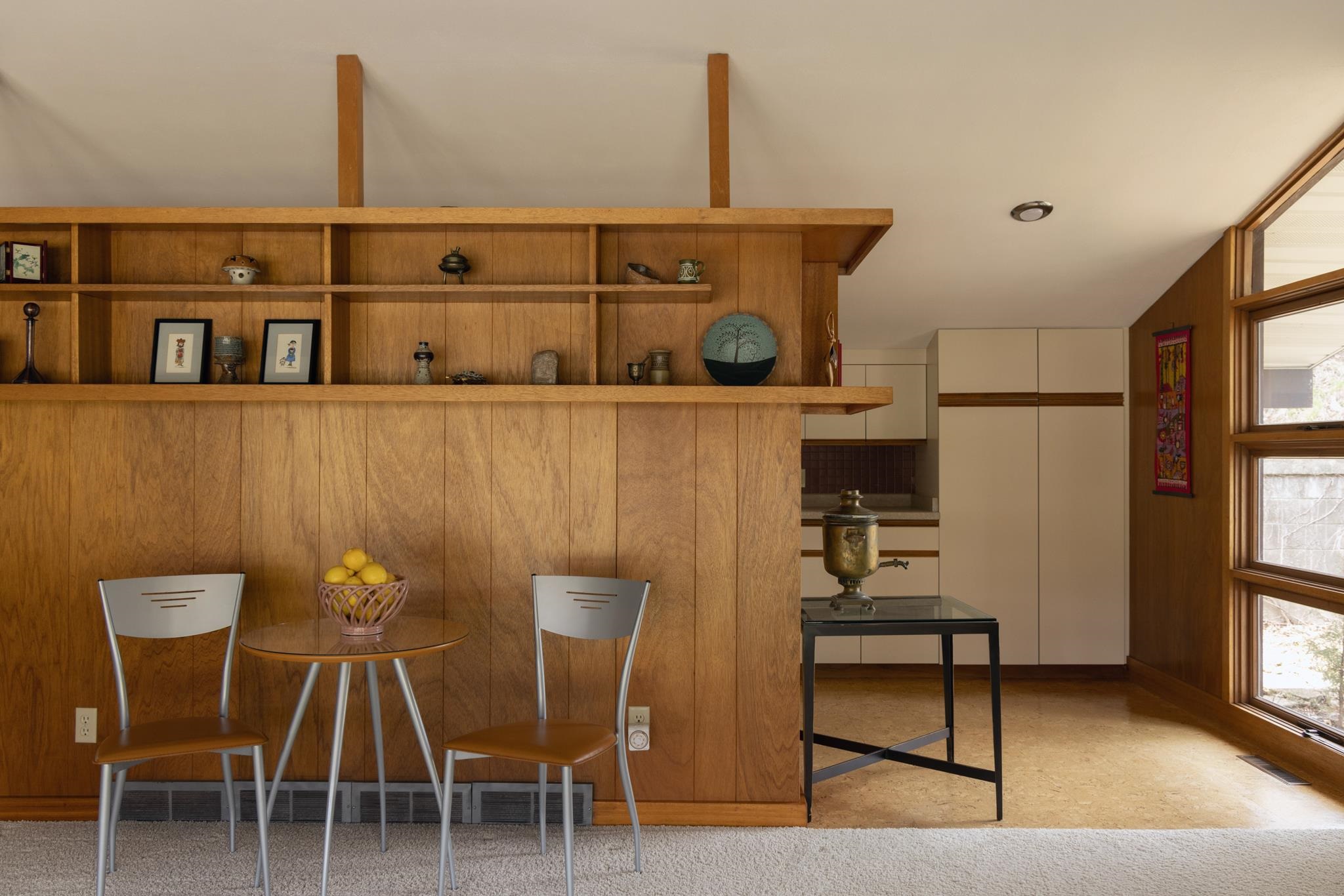
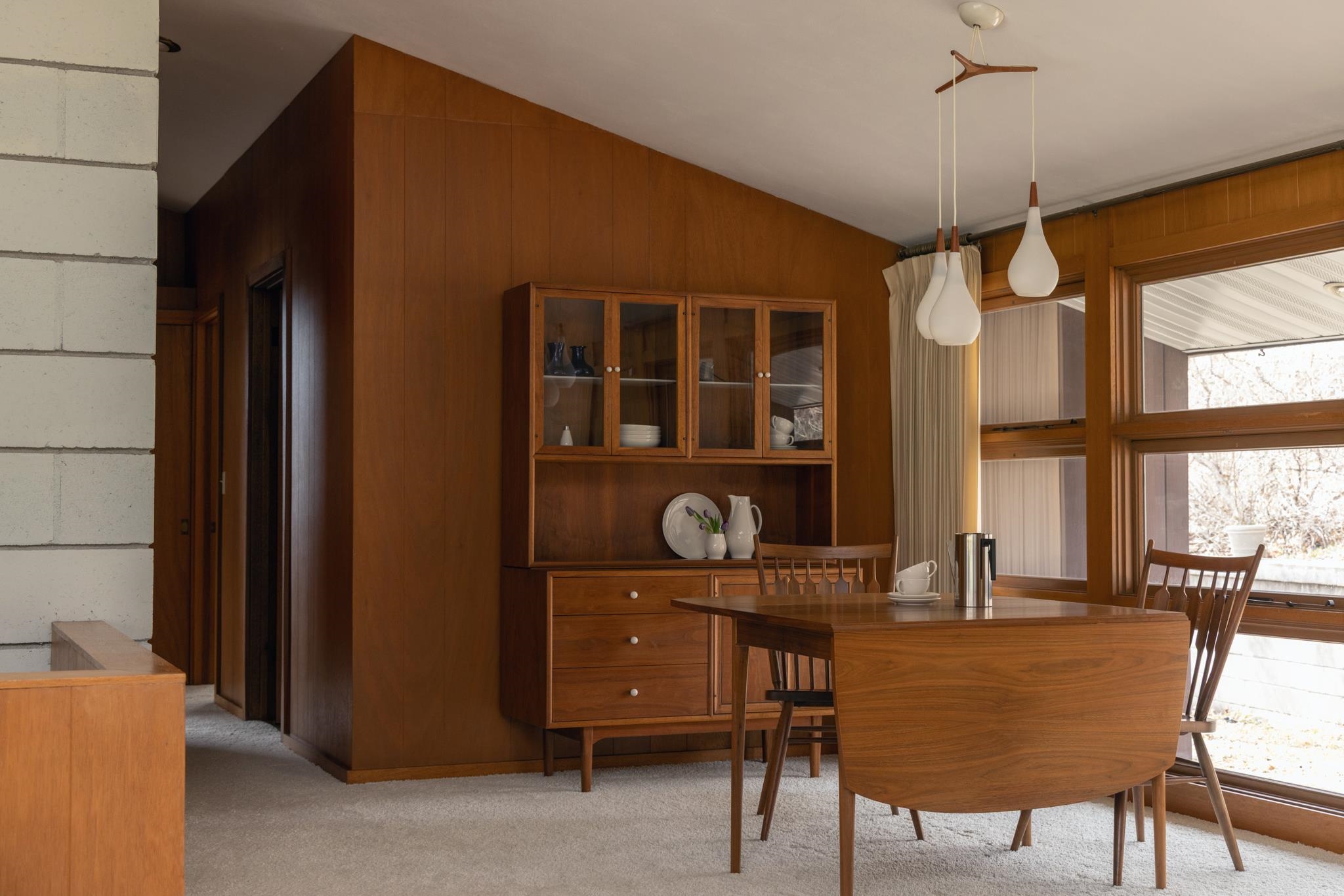
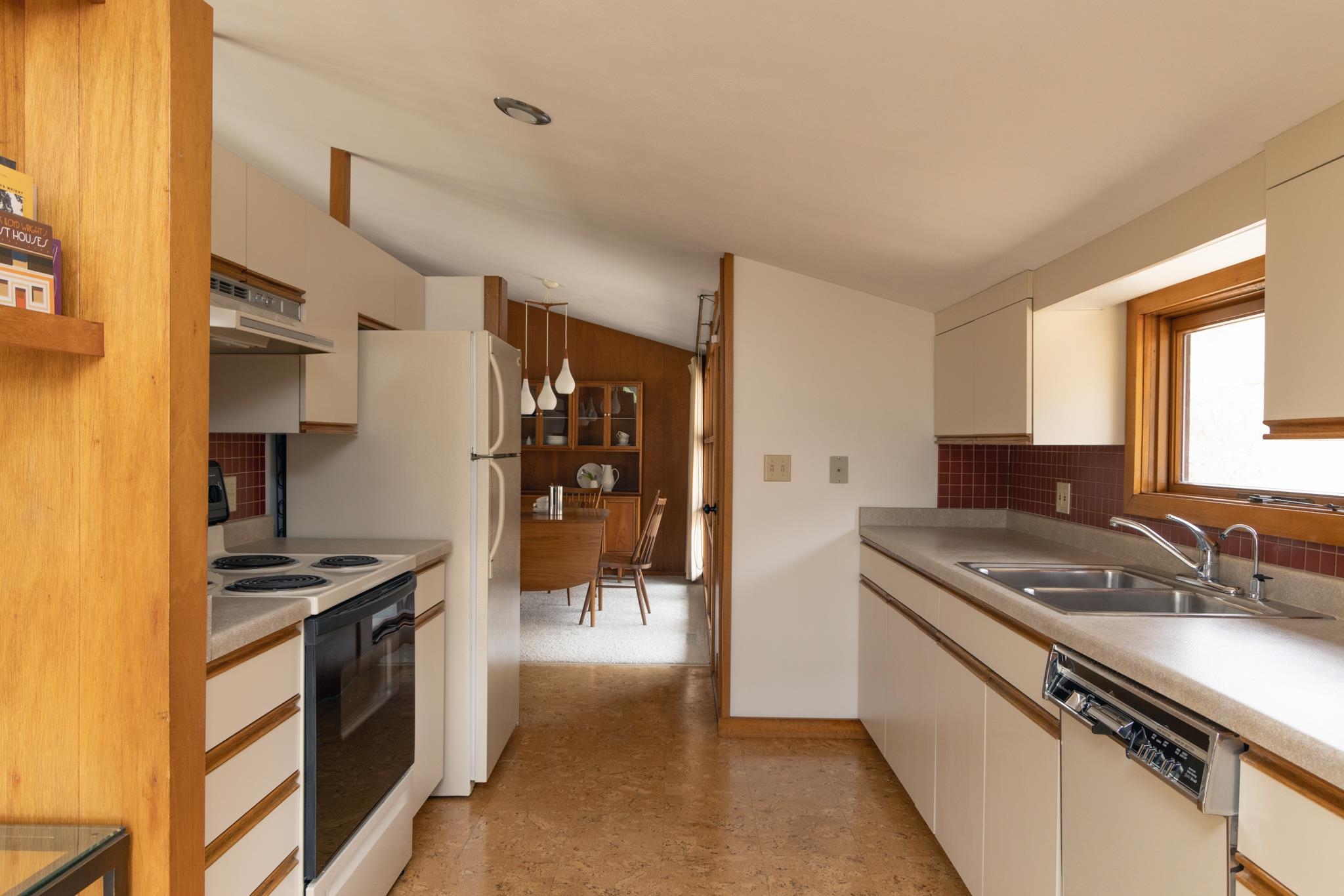
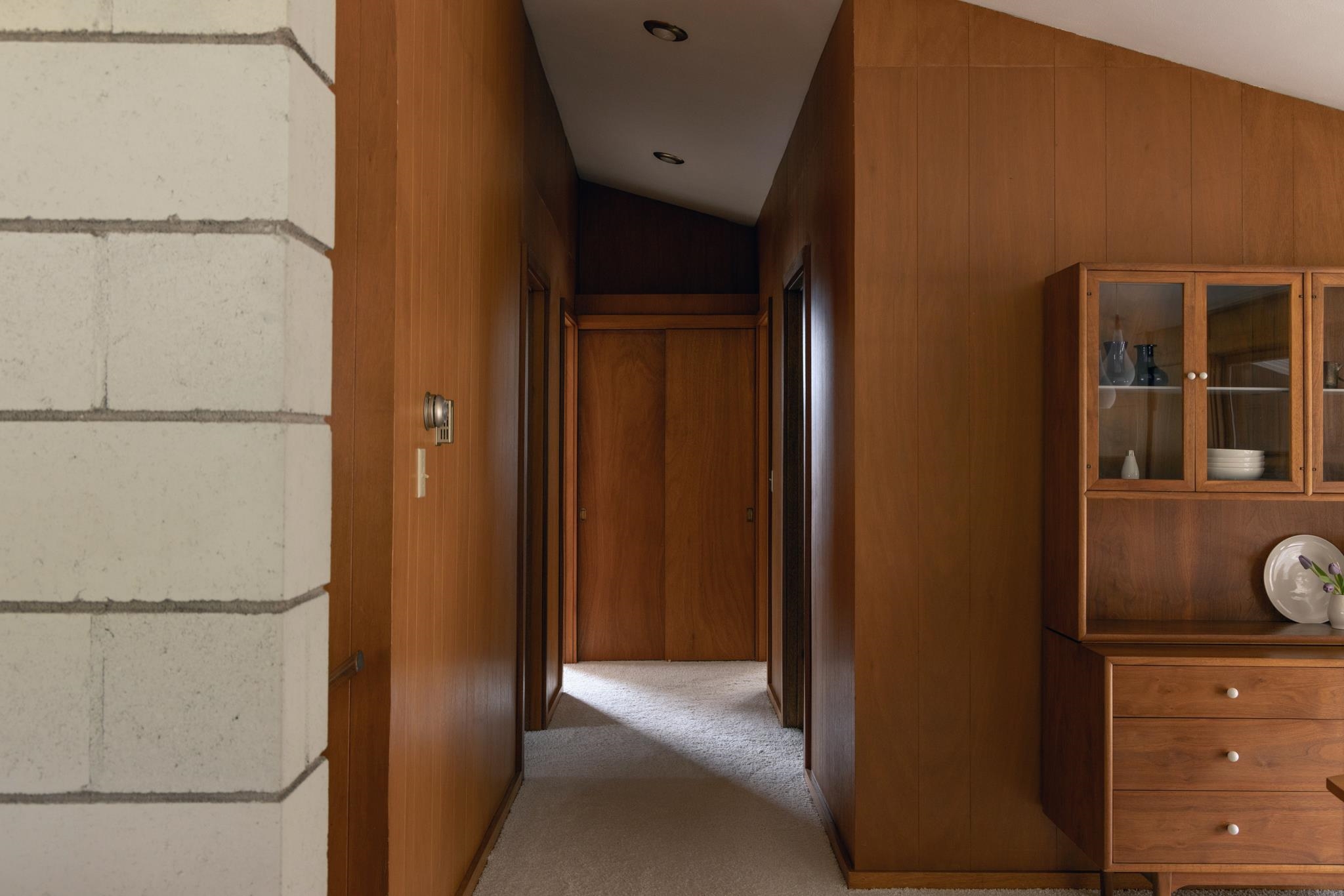
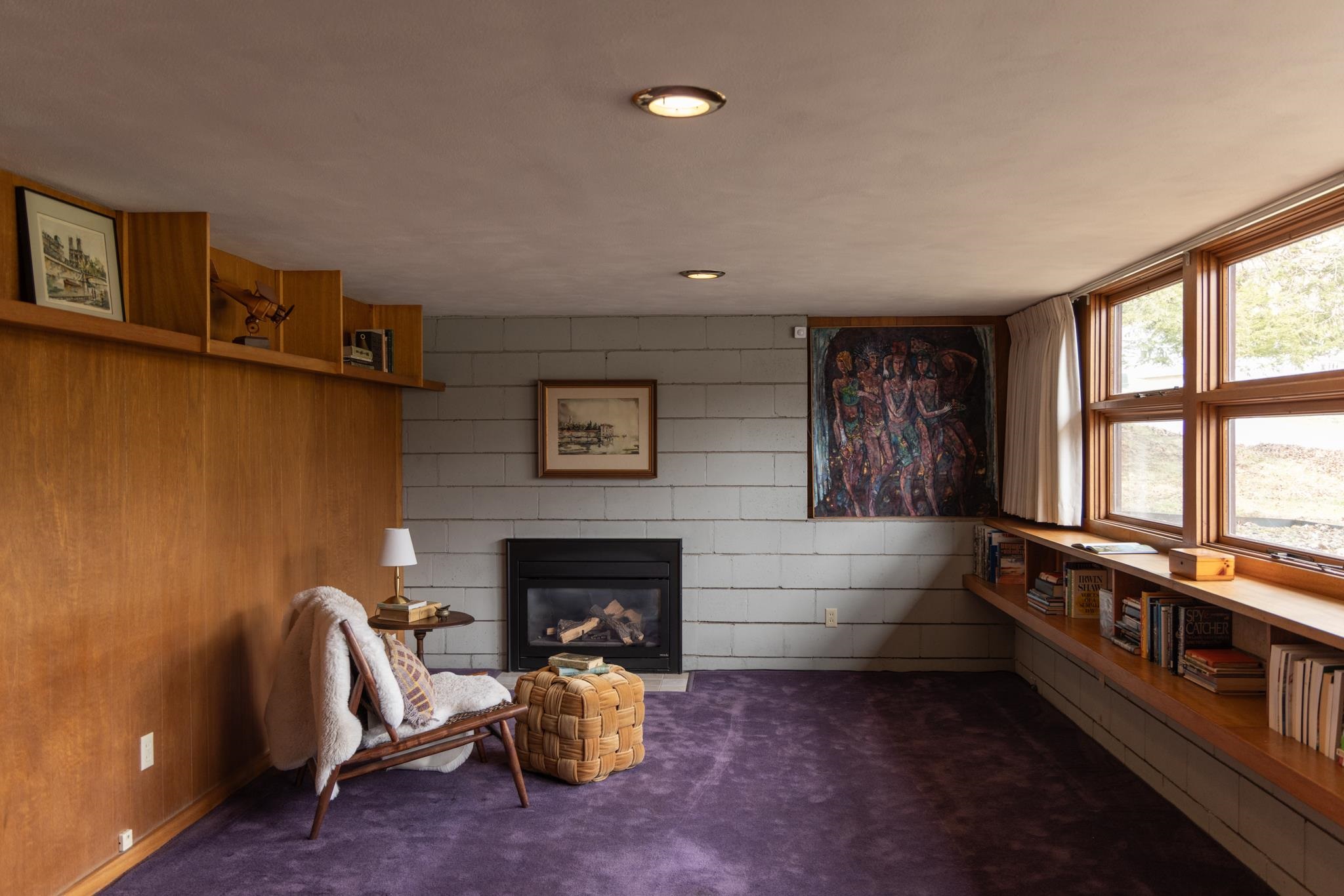
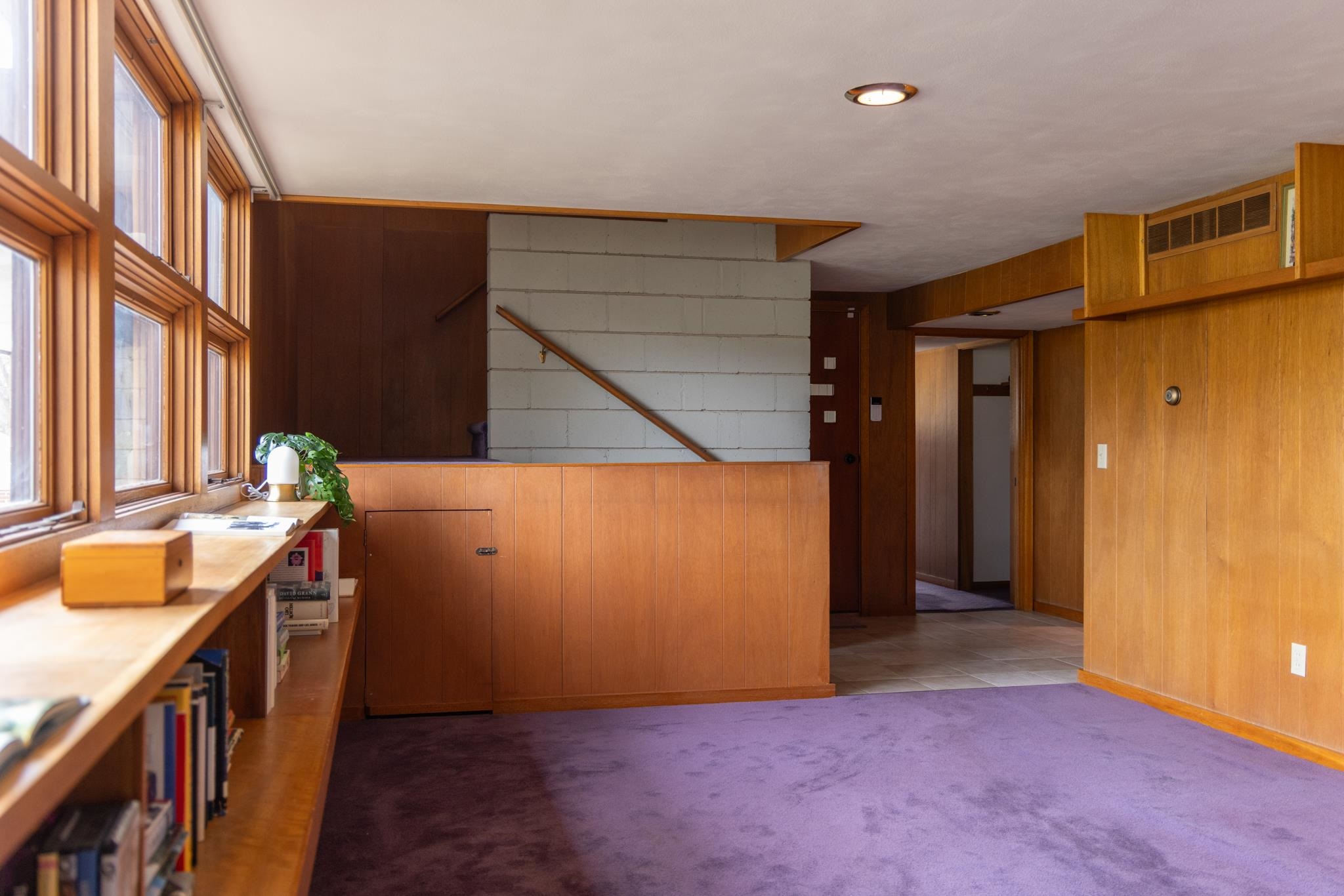
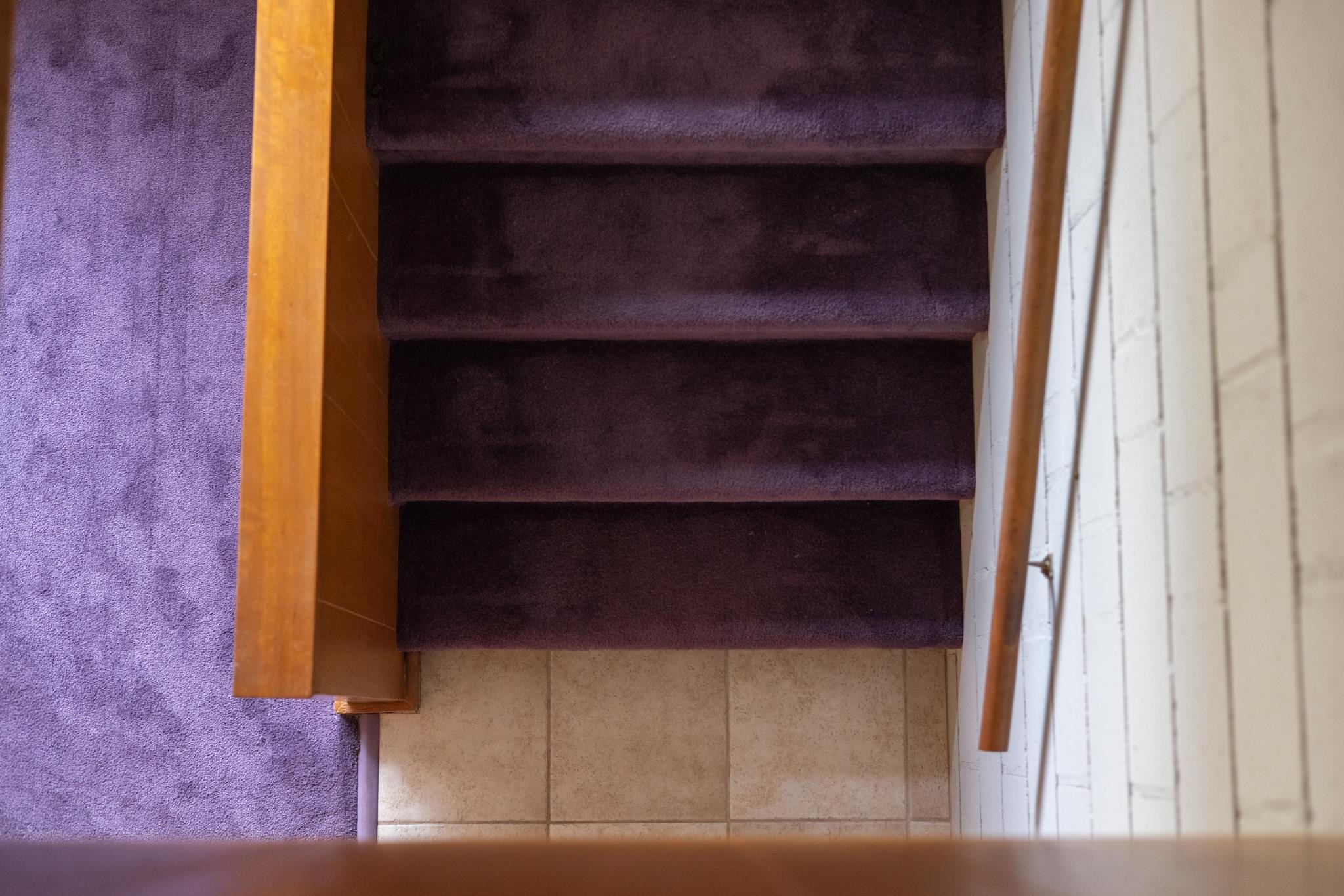
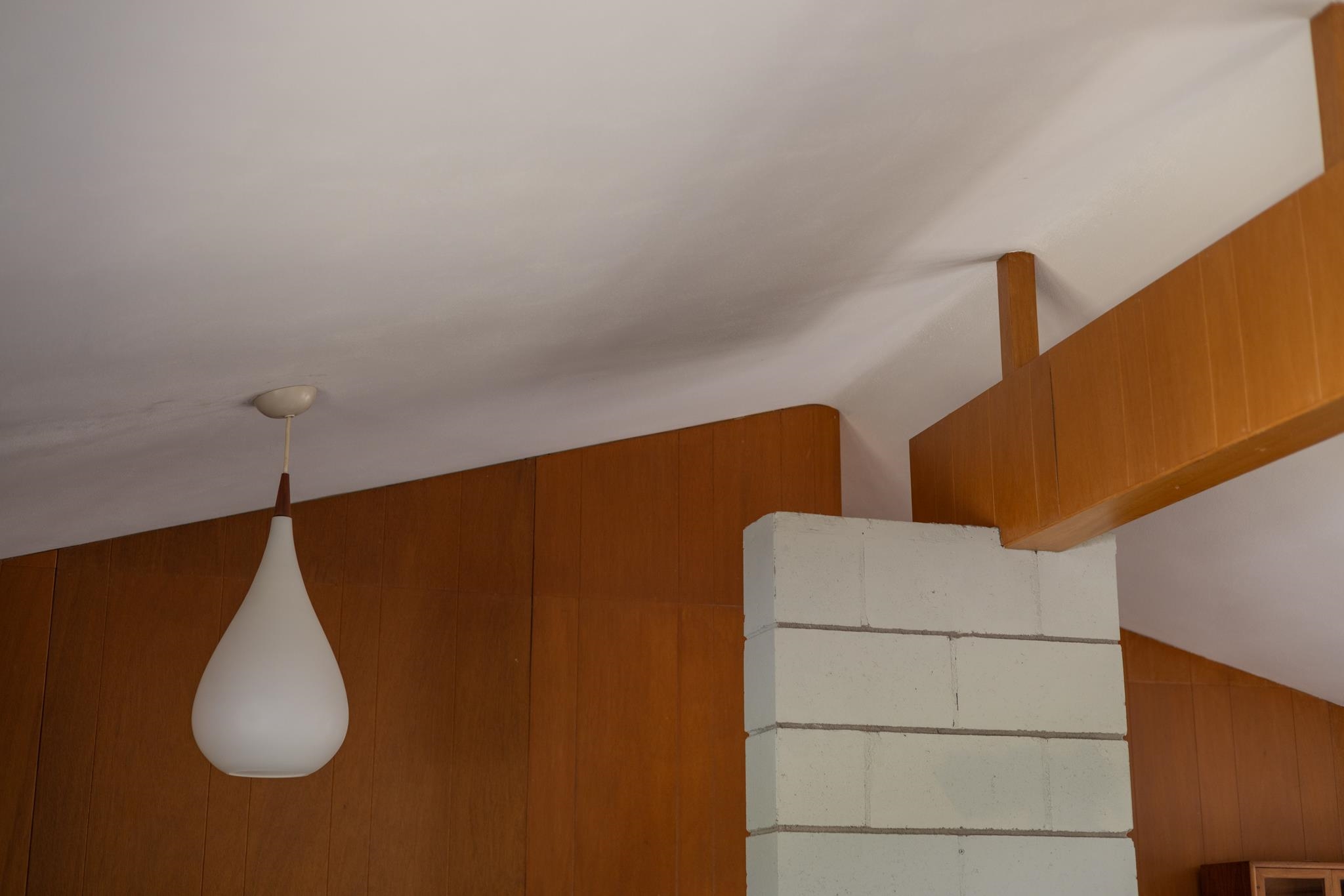
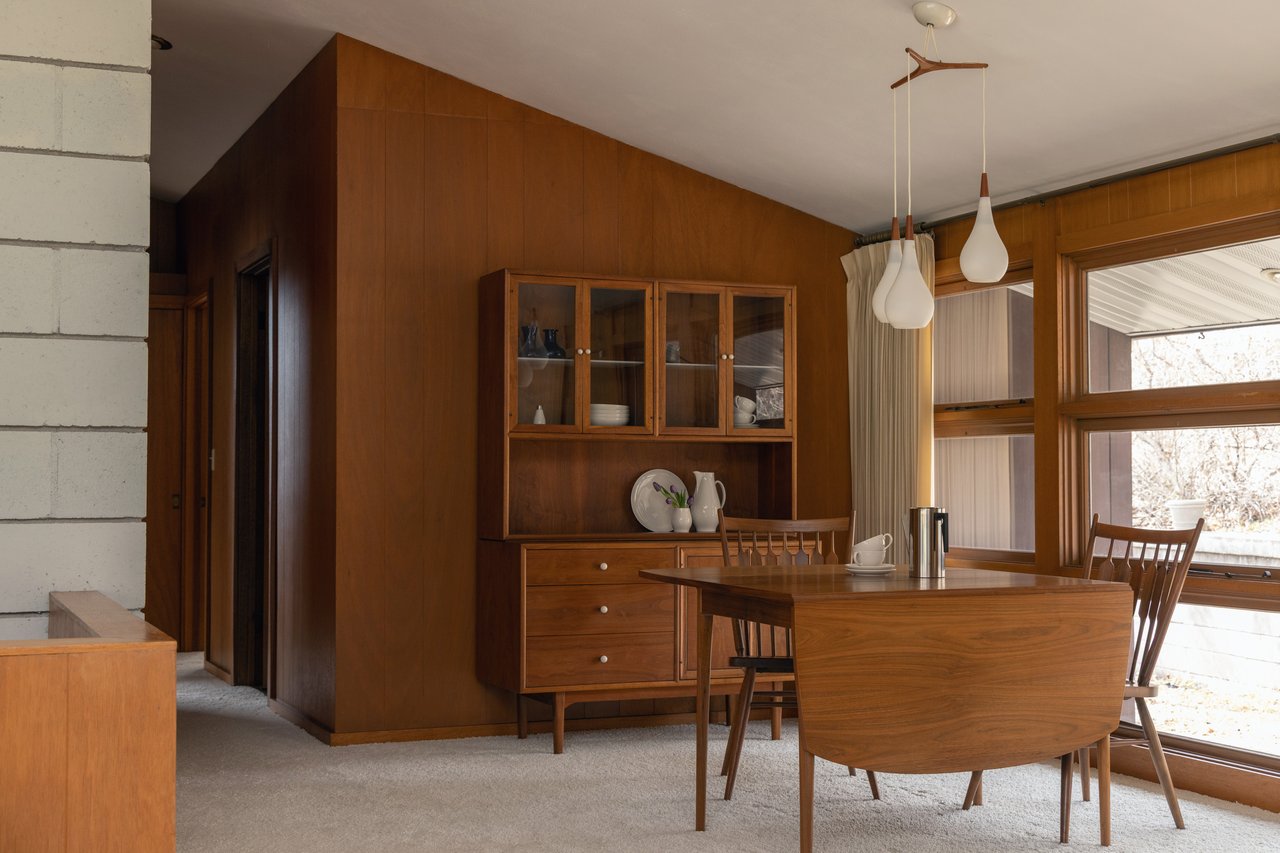
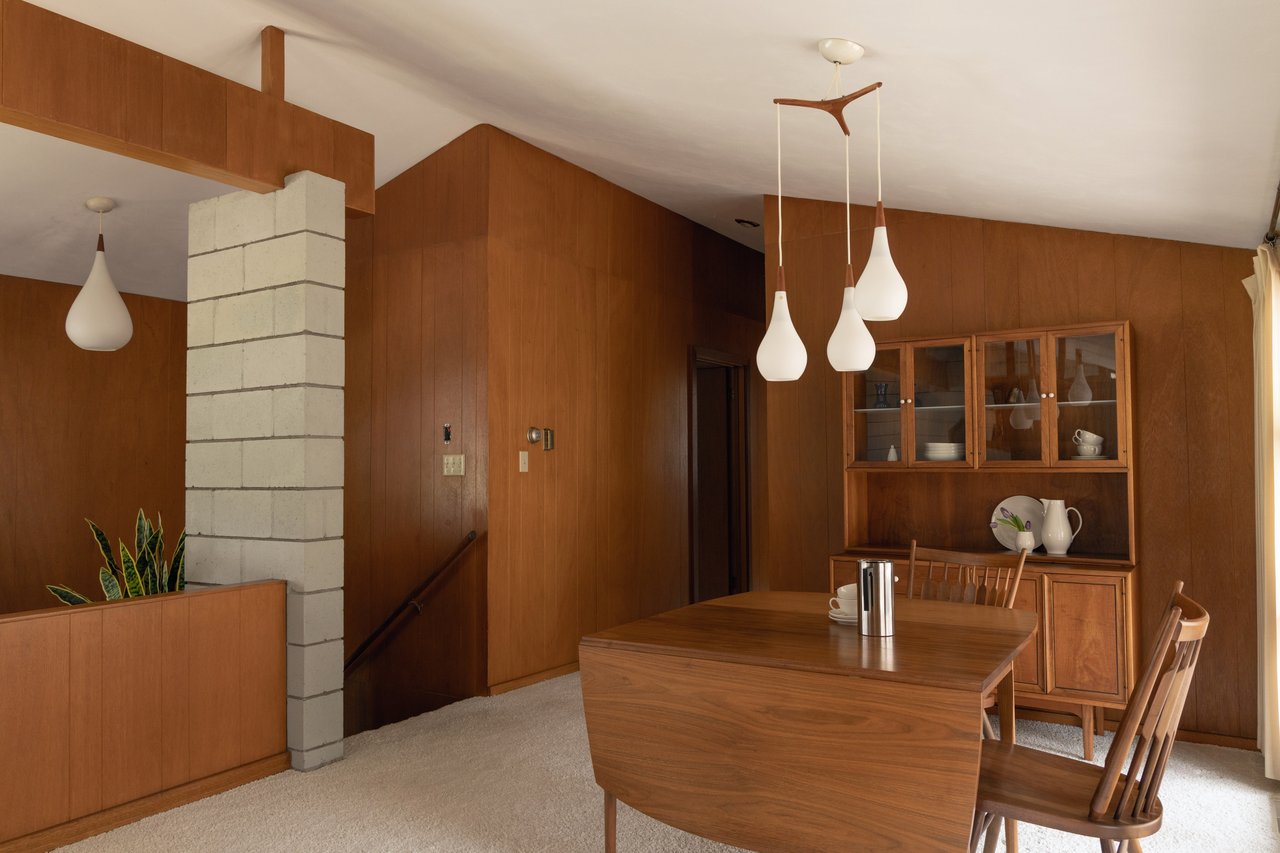
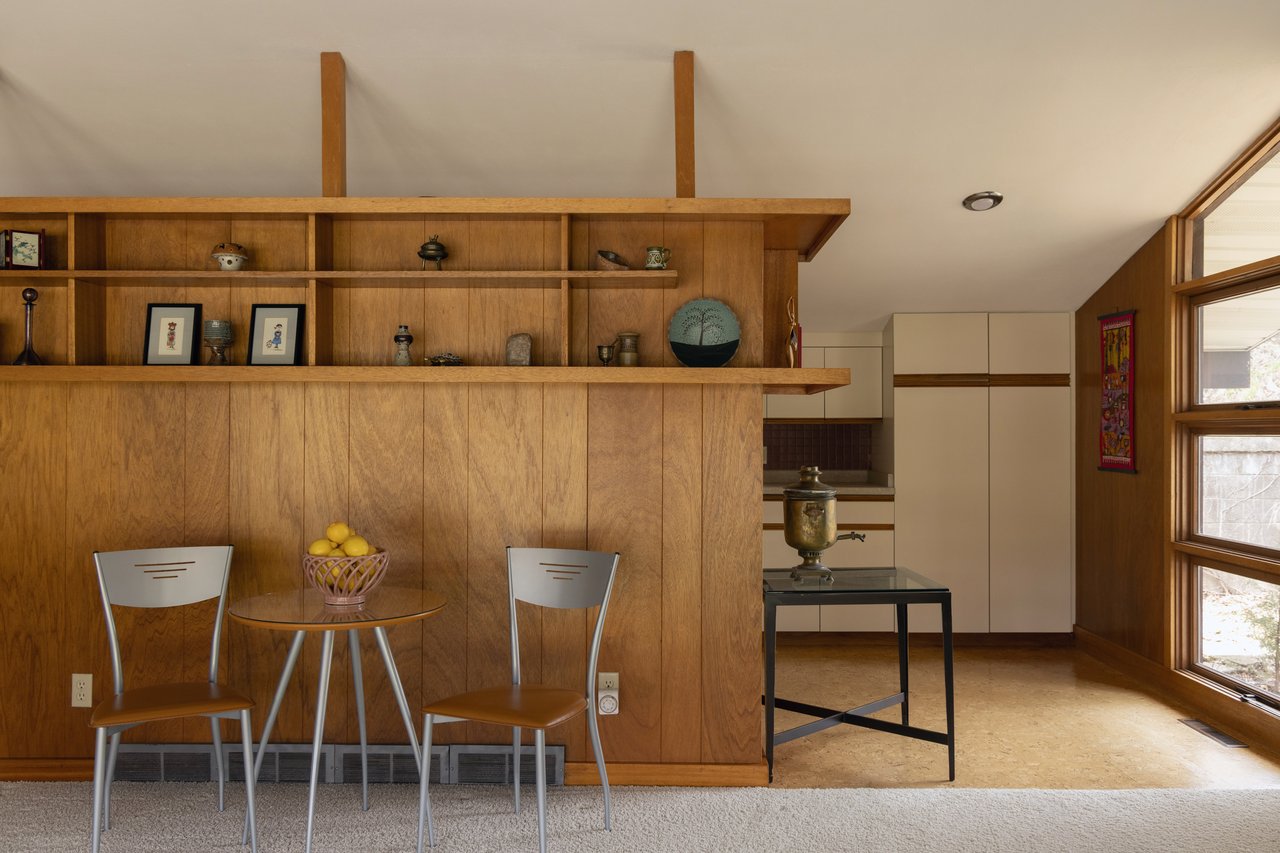
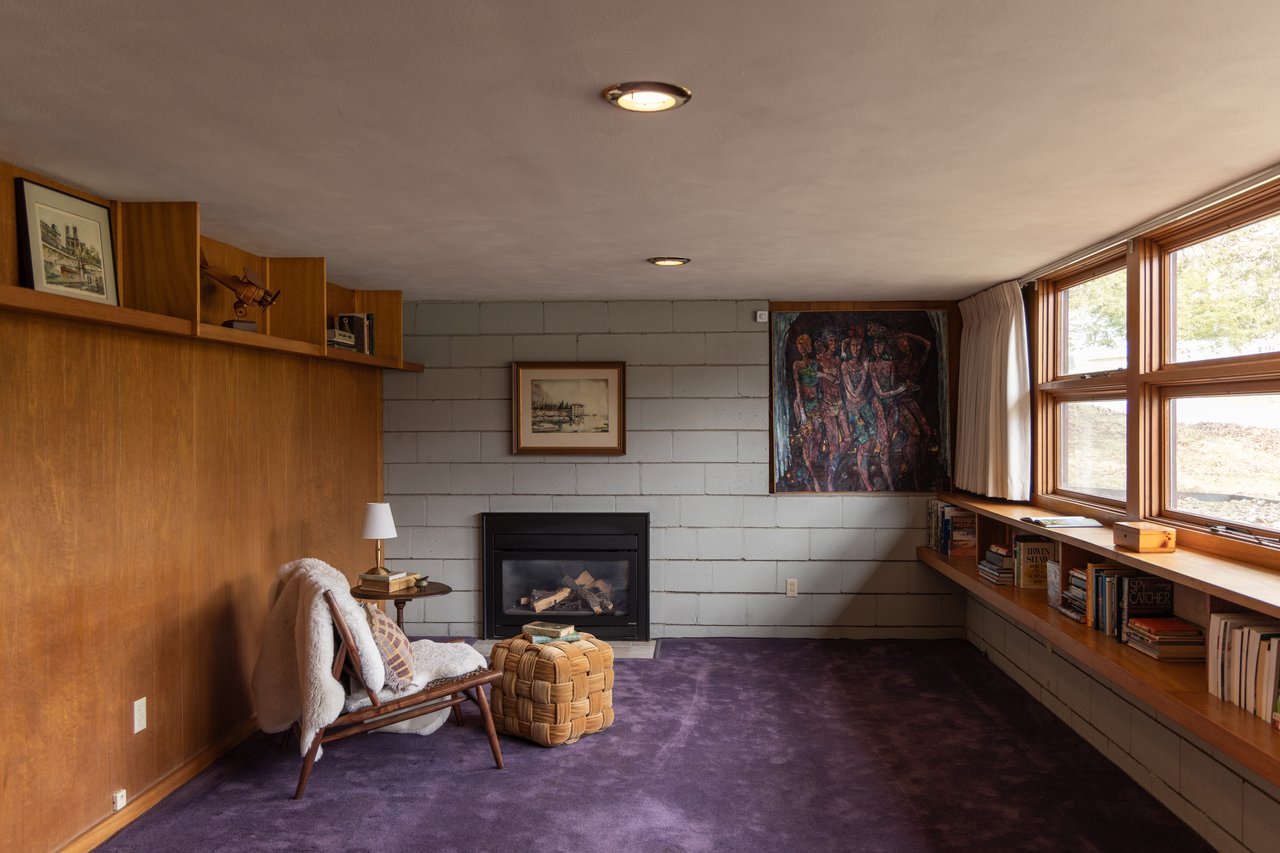
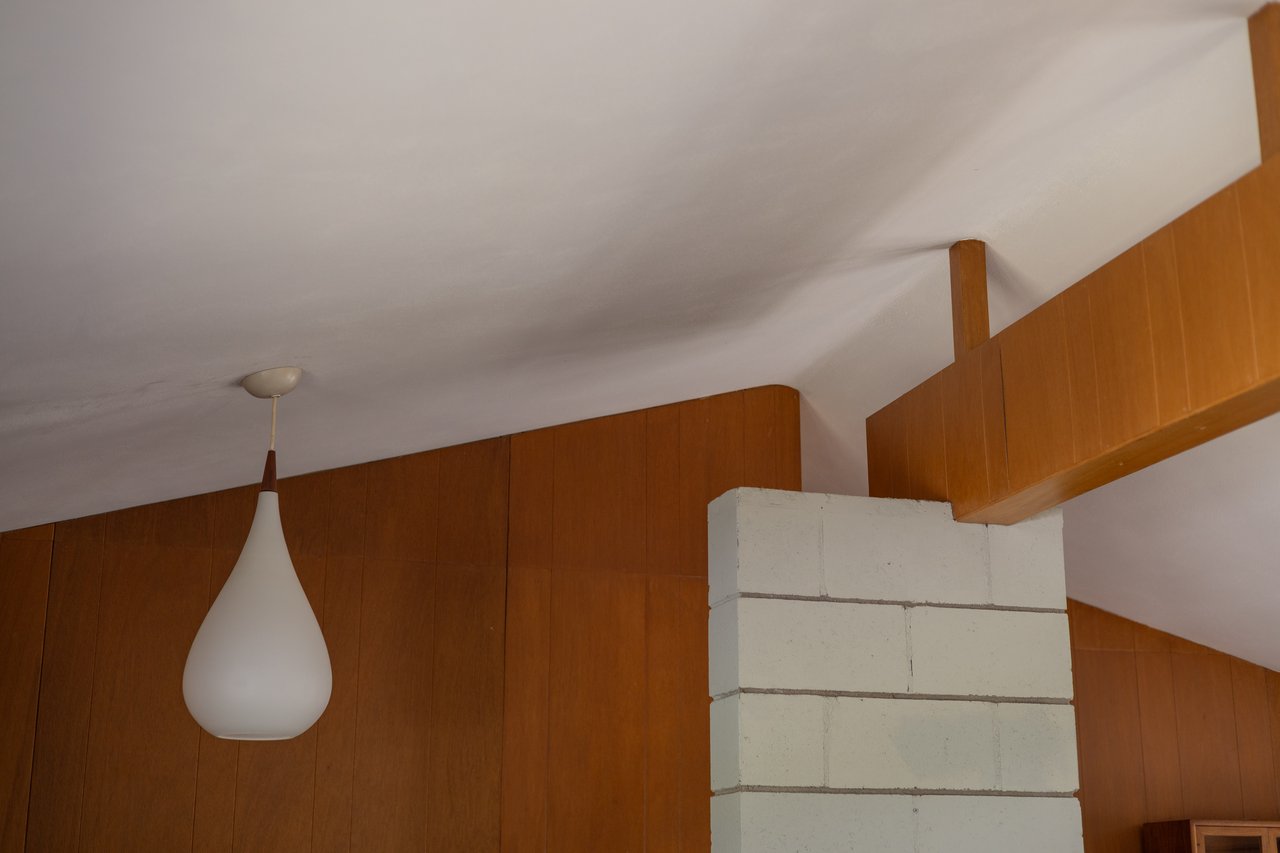
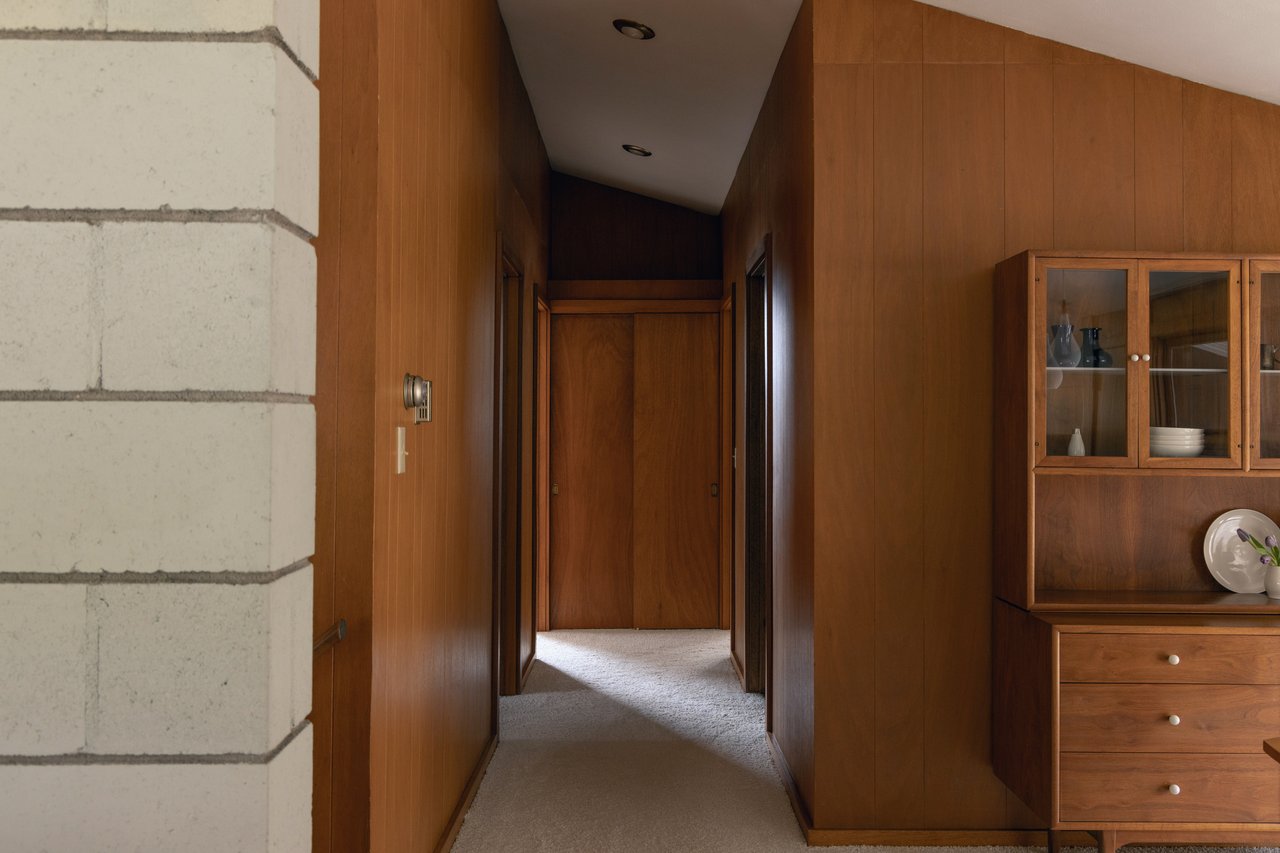
The concrete block chimney anchors the living room the way a hearth should — not decorating the room but organizing it. The vaulted ceiling sweeps up from the entry and pulls everything open. Wood paneling wraps every surface, warm and continuous, broken only by the built-in shelving that divides without closing. The band windows run the length of the dining room and let the light work all day.
Fritz Jr. didn't design rooms. He designed sequences — each threshold a decision, each material a reason.
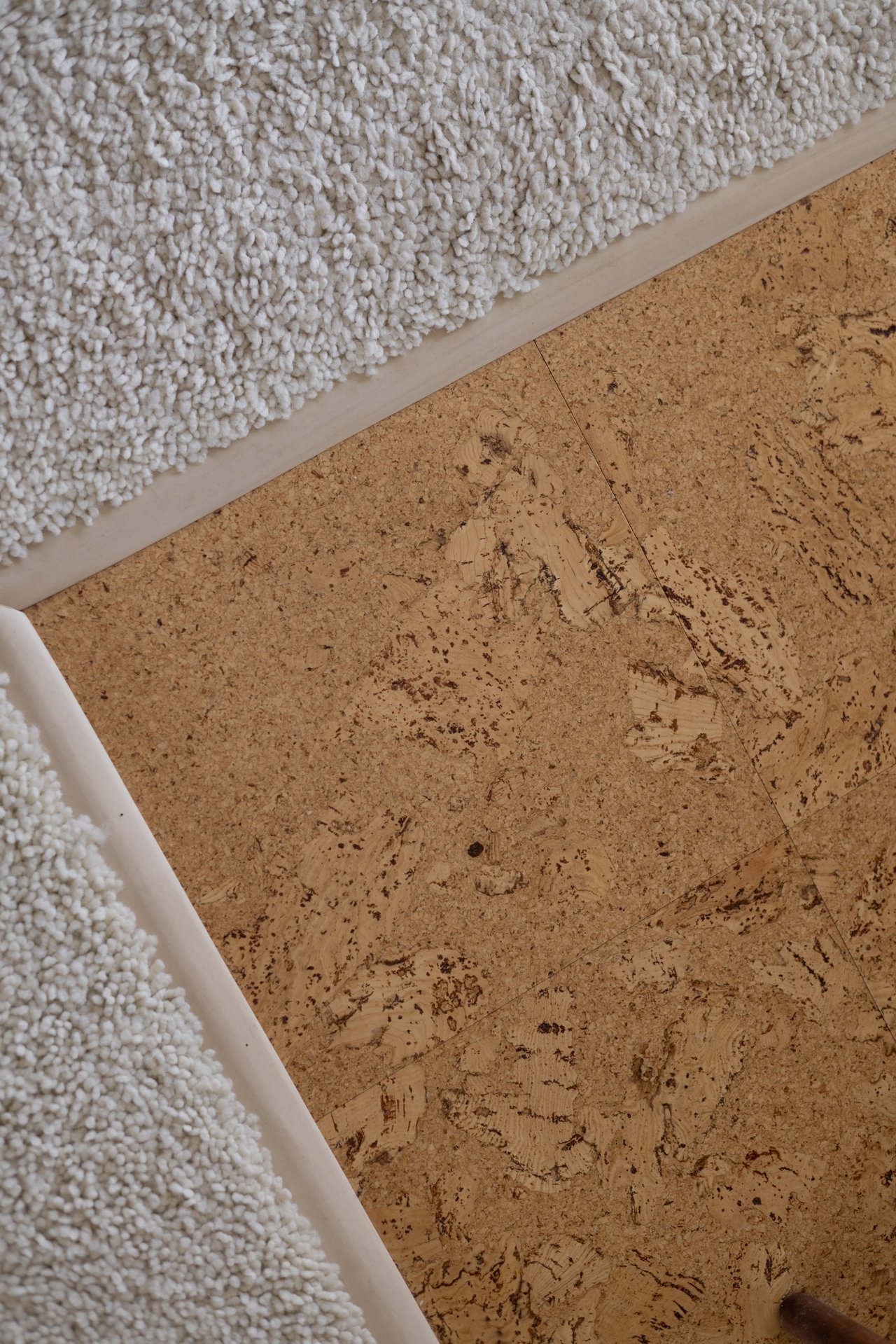
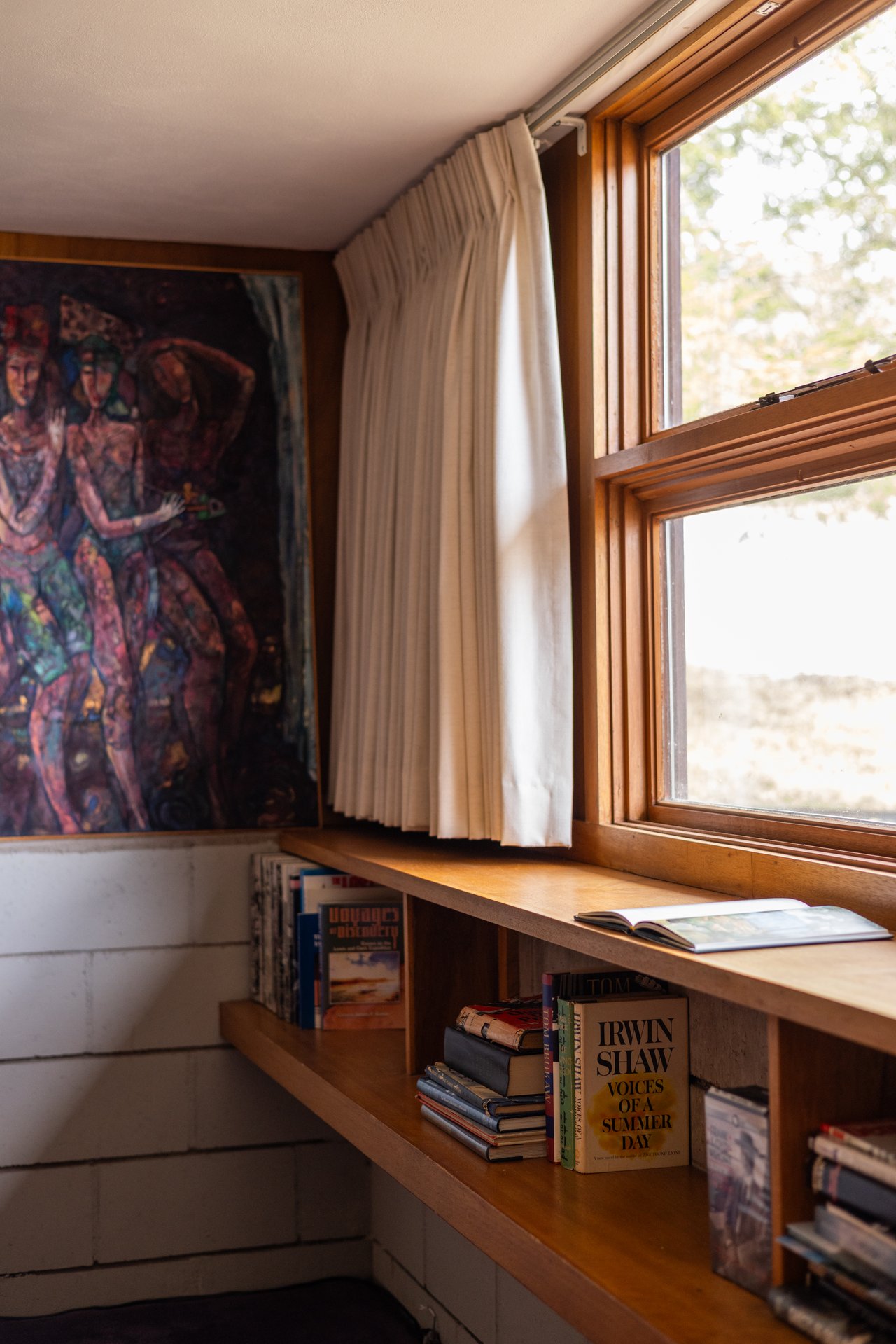
852 N. Cedar Street is presented as part of the LeGrand Modern Collection. The interiors include an original work by Charles Dwyer, a Wisconsin-born, Milwaukee-based painter whose large-scale figurative canvases have sold from New York to Barcelona — work that carries the same sense of accumulated intention as the architecture around it.
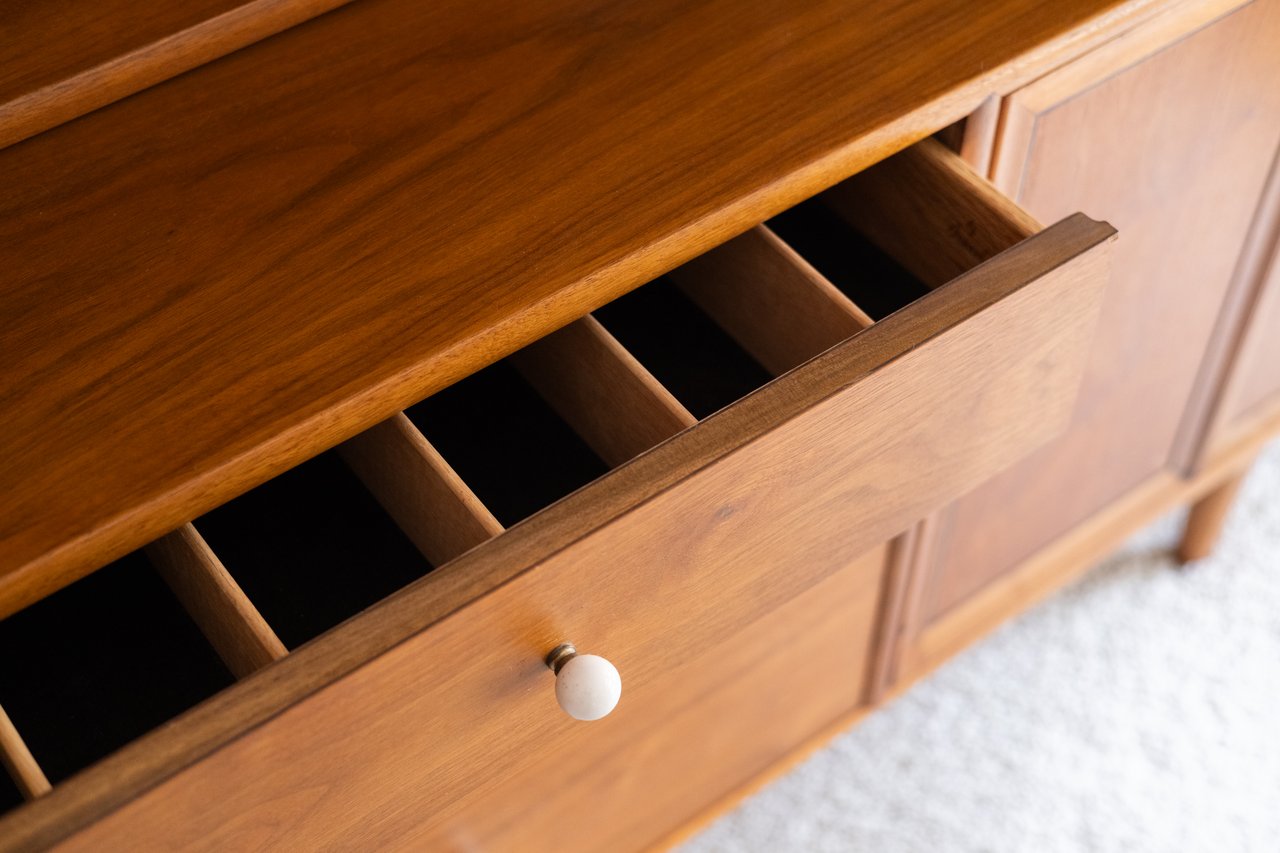
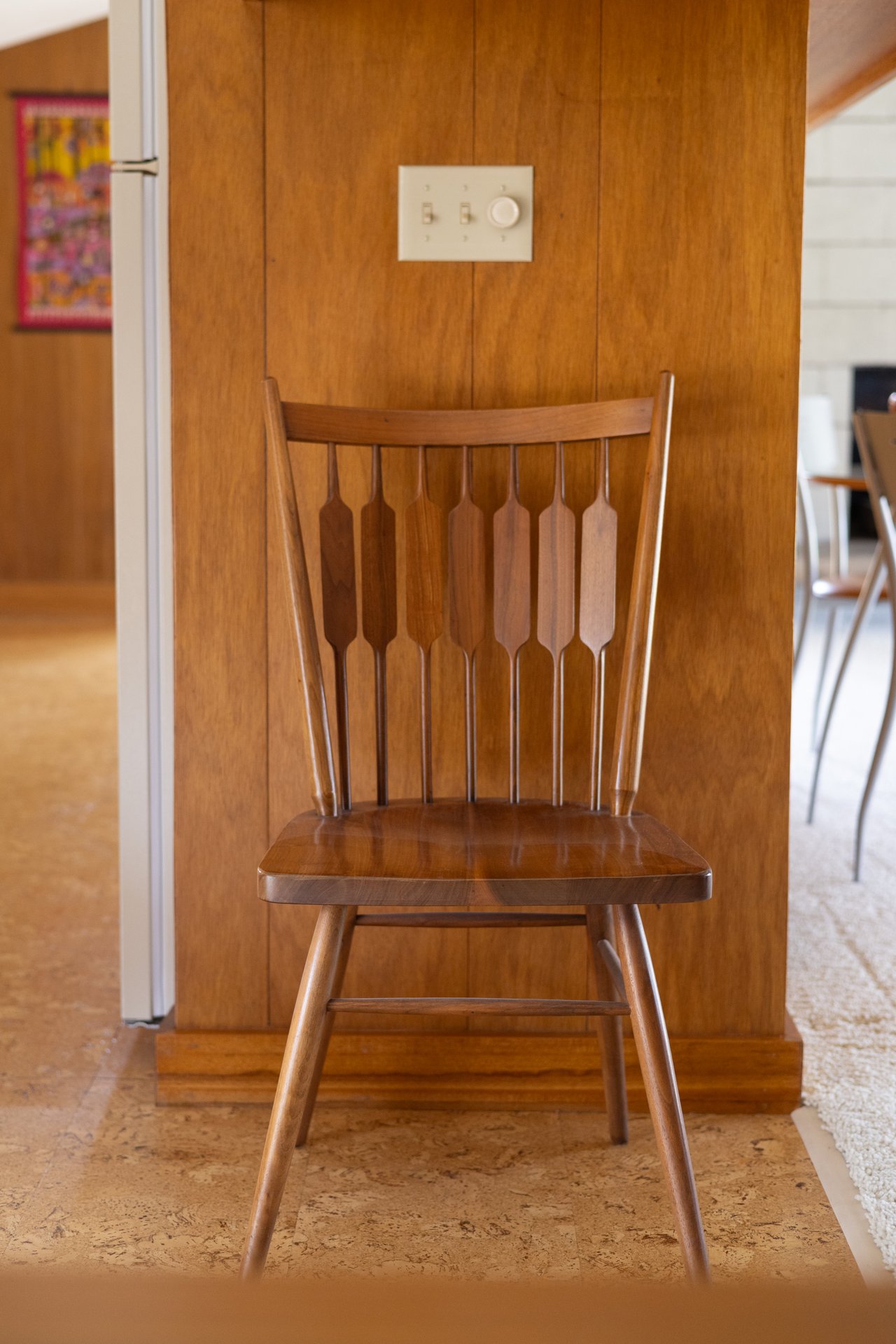
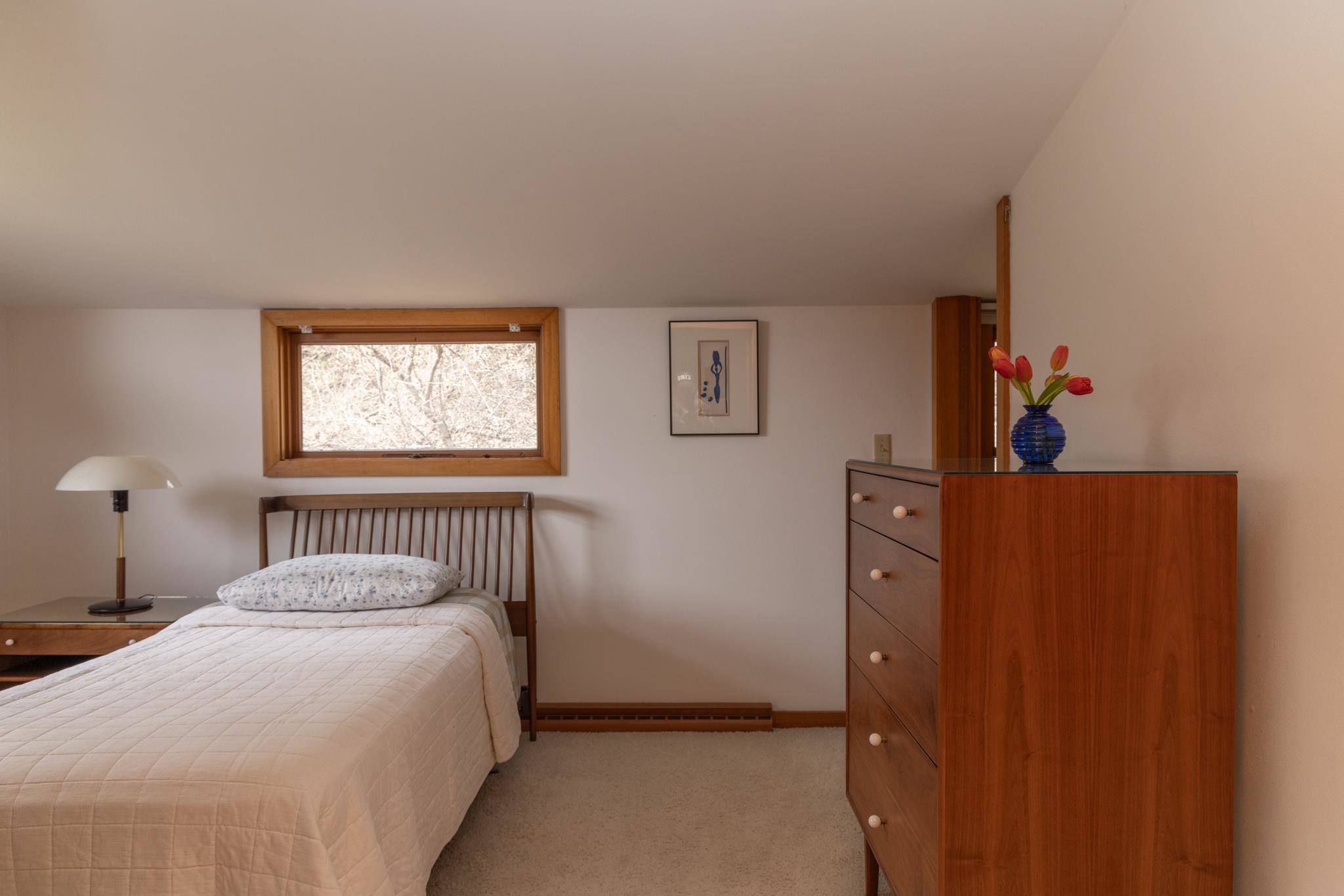
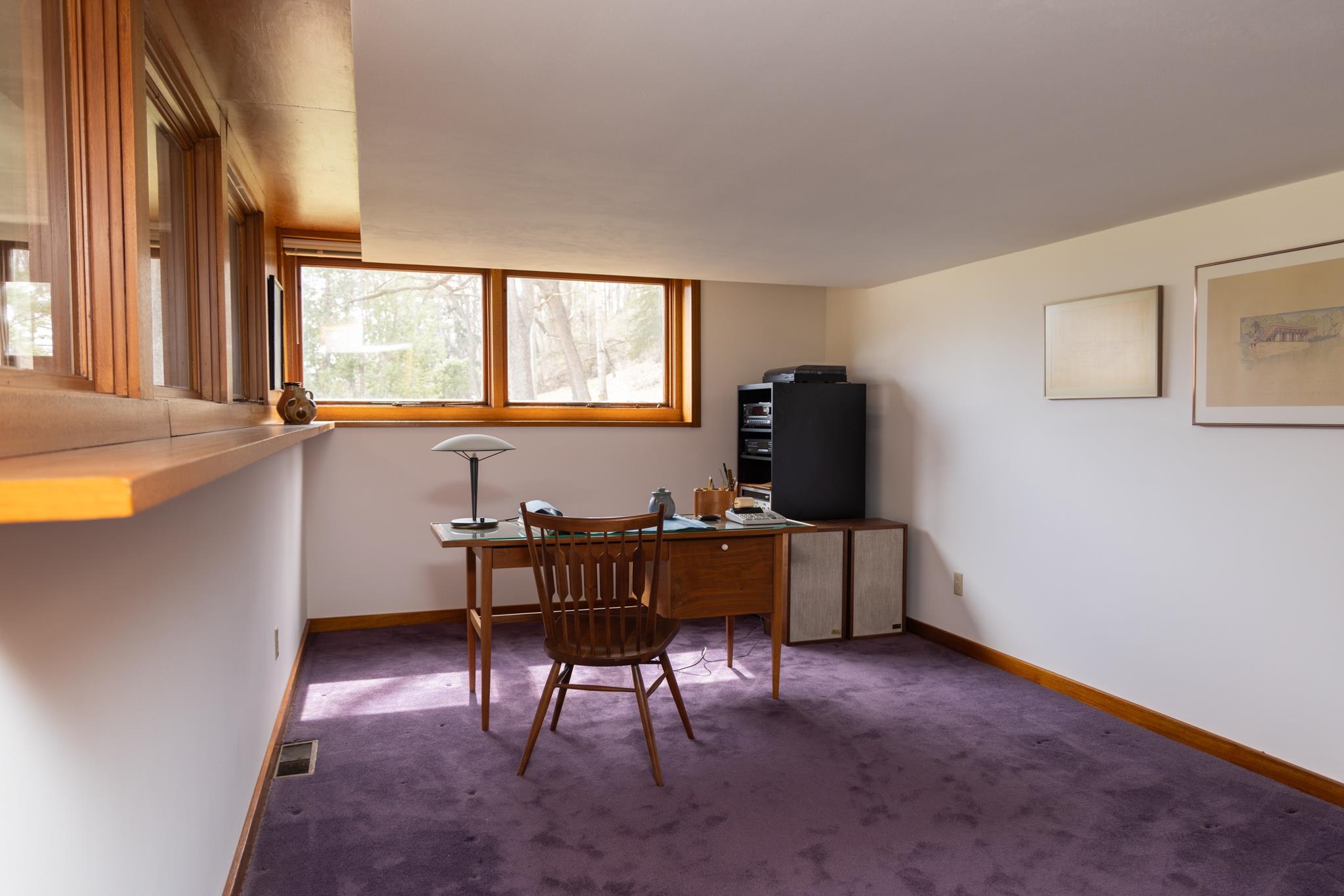
The home is furnished throughout with a personal collection of heritage Drexel furniture — the dining table and spindle chairs, the hutch, the teardrop pendants — pieces that were made for rooms like this one and have never looked more correct. The owners' art, antiques, and ceramic collections complete what the architecture started.
The furniture and the house are in conversation, not competition. Both were built to last.